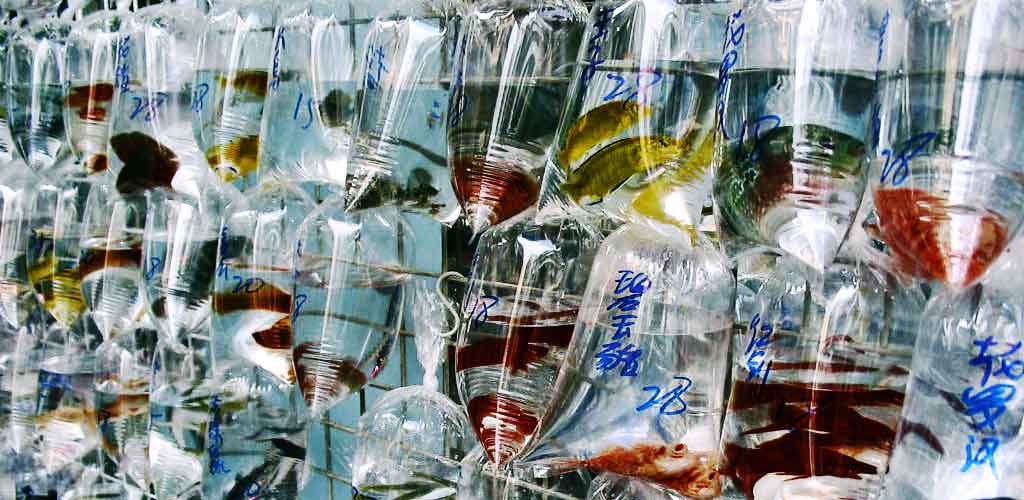
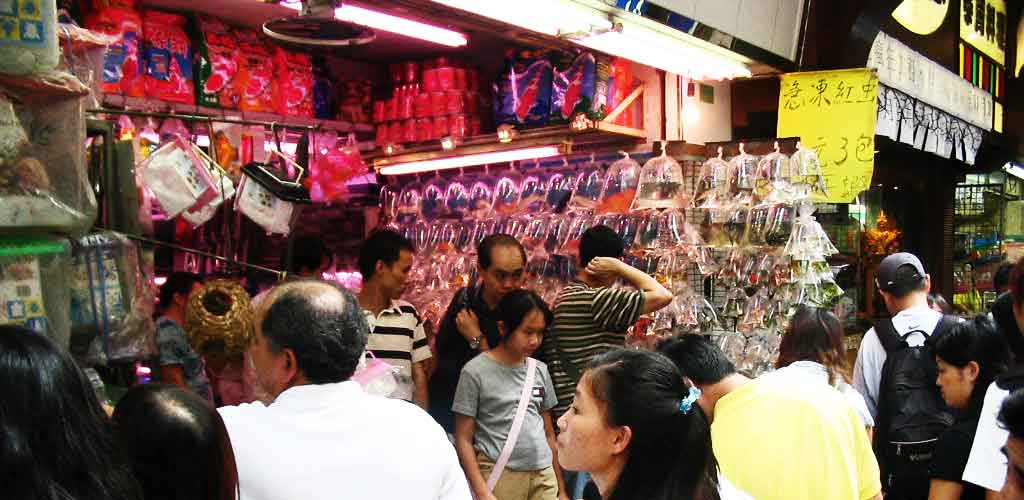
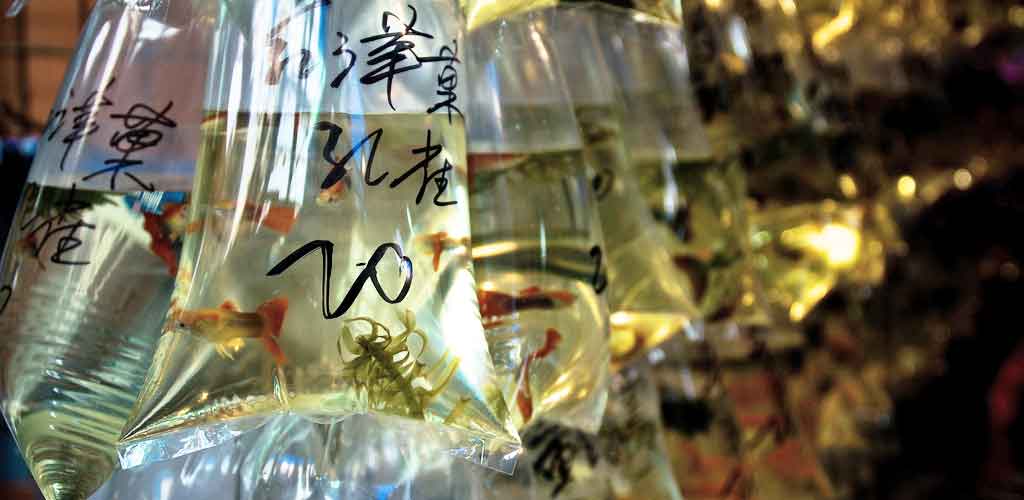
Hong Kong Goldfish International Import Export Guide 2025
Comprehensive guide for international goldfish transportation from Hong Kong, covering legal requirements, shipping procedures, veterinary certifications, customs clearance, and country-specific import regulations for serious collectors and commercial traders worldwide.
🌍 Global Goldfish Trade Hub
Hong Kong serves as the primary international gateway for Asian goldfish exports, with established systems for health certification, professional packaging, and customs clearance. The region's expertise makes it the preferred source for international collectors seeking quality and reliability.
Hong Kong Export Procedures and Requirements
Hong Kong maintains a well-established system for live fish exports, with streamlined procedures that facilitate international trade while ensuring animal welfare and health standards. Understanding these procedures is essential for successful international transactions.
Required Documentation for Export
Health Certificate (Certificate of Health)
Agriculture, Fisheries and Conservation Department (AFCD) serves as the sole issuing authority for official health certificates required for goldfish exports from Hong Kong. This government department maintains strict standards and direct communication with international importing authorities, ensuring their certificates are recognized and accepted by customs officials worldwide. The AFCD's certification carries legal weight and provides the official government endorsement necessary for customs clearance in destination countries.
Veterinary Examination Requirements mandate that all goldfish undergo professional health assessment within 10 days of their intended export date, ensuring the health declaration accurately reflects the animals' current condition. This examination window prevents the issuance of outdated health certificates while allowing sufficient time for document processing and shipment arrangement. Veterinarians must follow specific AFCD protocols during examination, including visual health assessment, behavior observation, and documentation of any treatment history.
Health Declaration Standards require veterinary certification that goldfish are free from notifiable diseases as defined by international aquatic animal health standards, including viral, bacterial, and parasitic conditions that could affect importing country ecosystems. The declaration process involves comprehensive health screening protocols designed to prevent disease transmission across international borders. Veterinarians must specifically attest to the absence of conditions like Koi Herpesvirus, Spring Viremia of Carp, and other regulated aquatic diseases.
⏳ Processing Timeline Planning
AFCD health certificate processing requires 3-5 business days from application submission to document issuance. Plan shipments accordingly, as certificates have only 10-day validity periods from issue date. Rush processing may be available for emergency shipments with additional fees and veterinary coordinator approval.
Certificate Costs and Fees range from HK$280 for small shipments to HK$500 for large or complex consignments, with pricing determined by shipment size, number of species, and documentation complexity. Additional fees may apply for expedited processing, multiple species certification, or specialized health attestations required by specific destination countries. Payment must be submitted with application documents, and fees are non-refundable even if health examination reveals issues preventing export approval.
Export License (When Required)
Commercial Shipment Requirements mandate export licensing for all goldfish consignments valued over HK$5,000, recognizing the distinction between personal collecting activities and commercial trading operations. This threshold helps regulate commercial export activity while allowing individual collectors reasonable freedom for personal acquisitions. Commercial shipments require additional documentation including business registration, tax documentation, and detailed inventory records that demonstrate compliance with trade regulations.
Breeding Stock Permits require special documentation for reproductive-age goldfish intended for breeding programs, as these shipments carry different biological and economic implications than ornamental fish sales. Breeding stock permits involve additional scrutiny of genetic diversity, breeding records, and destination facility qualifications to ensure responsible international breeding program development. Applicants must provide detailed breeding plans and facility specifications for the destination location.
Rare Variety Documentation requires additional certification and valuation for high-value goldfish specimens, particularly those representing unique genetic lines or championship bloodlines worth significant investment amounts. These permits involve specialized evaluation processes that may include expert appraisal, photographic documentation, and genetic verification to prevent fraud and ensure accurate customs valuation. Rare variety permits often require longer processing times due to the specialized expertise needed for evaluation.
📋 Application Strategy
Submit export license applications 14 days before intended export dates to ensure adequate processing time and avoid shipping delays. Earlier submission is recommended during peak seasons or for complex rare variety applications. Keep detailed records of application status and maintain backup shipping dates in case processing extends beyond expected timeframes.
License Fees and Processing cost HK$295 for standard commercial licenses, with additional fees for specialized permits or expedited processing requests. Payment must accompany application submission, and fees are structured to cover administrative costs while encouraging responsible export practices. License validity periods vary based on permit type, with most commercial licenses valid for specific shipment periods rather than extended timeframes.
Customs Declaration and Valuation
Accurate Valuation Requirements mandate that customs declarations reflect the true purchase price or fair market value of goldfish shipments, as customs authorities use this information for duty calculation and fraud prevention. Understating values can result in severe penalties, shipment seizure, and potential criminal charges, while overstating values unnecessarily increases duty costs. Professional appraisal may be required for rare or championship goldfish where market values are difficult to establish, and documentation should include proof of purchase or expert valuation reports.
Species Declaration Standards require the scientific name Carassius auratus for all goldfish varieties, regardless of their common or breeding names, as customs authorities and veterinary services use standardized nomenclature for international trade documentation. This scientific classification helps prevent confusion between different ornamental fish species and ensures proper application of trade regulations and health requirements. Additional variety-specific information may be included as supplementary detail but cannot replace the required scientific nomenclature.
Quantity Documentation Protocols demand precise individual counting and total weight measurement for customs verification and health certificate accuracy. Individual counts help customs authorities verify declared quantities against actual shipments, while total weight information assists with freight calculations and livestock handling procedures. Discrepancies between declared and actual quantities can result in shipment delays, additional inspections, and potential penalties for documentation errors.
📊 Purpose Declaration Guidelines
Clearly declare shipment purpose as personal collection, breeding program, or commercial sale, as this classification affects applicable regulations, duty rates, and inspection procedures. Personal collection declarations may qualify for simplified procedures but have quantity limitations, while commercial shipments require additional business documentation but allow larger quantities.
Insurance Valuation Considerations allow for separate insurance values that may exceed customs declaration values when collectors wish to protect against potential loss during transport. Insurance values should reflect replacement cost rather than purchase price, particularly for rare varieties where market availability is limited. Documentation must clearly distinguish between customs value for duty calculation and insurance value for loss protection, with appropriate supporting documentation for both valuations.
📋 Export Documentation Checklist
✓ Health certificate from approved veterinarian
✓ Export license (if required)
✓ Customs declaration with accurate valuation
✓ Species identification and count
✓ Insurance documentation
✓ Destination
country import permits (if required)
✓ Professional packaging confirmation
Approved Export Facilities and Services
Licensed Veterinary Services
Aquatic Animal Health Centre serves as Hong Kong's premier facility for ornamental fish health certification, providing the specialized veterinary expertise required for international goldfish exports. This center maintains direct relationships with international importing authorities and understands the specific health documentation requirements for different destination countries. Their certified veterinarians are trained in goldfish disease identification and can provide the detailed health attestations required by customs authorities worldwide, ensuring your valuable specimens meet all regulatory requirements for successful international transport.
Kowloon Veterinary Clinic brings decades of experience in ornamental fish export procedures, specializing in the unique challenges of shipping live goldfish across international borders. Their veterinary team understands the stress factors affecting goldfish during transport and can recommend appropriate pre-shipment treatments to maximize survival rates. The clinic offers comprehensive health screenings that identify potential issues before shipment, saving collectors from costly losses and ensuring compliance with destination country requirements.
Hong Kong Veterinary Association provides a comprehensive directory of certified practitioners who specialize in aquatic animal health certification for export purposes. Through their member network, collectors can locate veterinarians with specific expertise in goldfish health assessment and international documentation requirements. The association maintains updated training standards and ensures all member practitioners stay current with evolving international regulations for live animal transport.
⏰ Emergency Certification Services
Several Hong Kong veterinary facilities offer 24-hour emergency certification services for urgent goldfish shipments, particularly valuable when dealing with time-sensitive breeding opportunities or when buyers require immediate delivery. These services typically charge premium rates but can process complete health documentation within 4-6 hours for qualifying shipments.
Group Certification Services offer significant cost savings for collectors shipping multiple goldfish simultaneously, as veterinarians can issue bulk health certificates covering entire shipments under a single examination protocol. This approach is particularly valuable for breeding operations or dealers moving large inventories, as it reduces per-fish certification costs while maintaining full regulatory compliance. Most facilities require advance scheduling for group certifications due to the extended examination time required for large collections.
Professional Packaging Services
Aquatic Transport Systems Ltd specializes in manufacturing and supplying specialized livestock containers designed specifically for international goldfish shipping. Their container systems feature dual-wall insulation, built-in oxygen exchange systems, and shock-absorption technology that protects fish during handling and transport turbulence. The company maintains inventory specifically sized for goldfish transport, from single specimen containers to large-scale breeding shipment systems, all certified for international air freight regulations.
Hong Kong Live Fish Exports provides comprehensive full-service export handling that manages every aspect of international goldfish shipment from initial collection to final delivery. Their services include fish conditioning, health documentation coordination, customs clearance, freight booking, and destination delivery arrangement. This turnkey approach is particularly valuable for collectors lacking experience in international shipping procedures, as it eliminates the complexity of coordinating multiple service providers while ensuring professional handling throughout the process.
Professional Fish Packers work through individual dealer arrangements to provide specialized packing services tailored to specific goldfish varieties and destination requirements. These experienced handlers understand the unique needs of different goldfish breeds, from delicate telescope eyes requiring extra protection to active common varieties needing adequate swimming space during transport. They maintain relationships with multiple shipping carriers and can recommend optimal routing based on destination climate and delivery timeline requirements.
✈️ Airport Freight Coordination
Hong Kong International Airport freight services provide final packaging verification and loading coordination for live goldfish shipments. These services ensure compliance with IATA Live Animal Regulations and coordinate with airline cargo holds for proper positioning and climate control during flight. Professional coordination reduces shipment delays and improves survival rates through proper handling protocols.
Temperature Control Systems utilize advanced climate-controlled packaging technology that maintains optimal water temperature throughout extended transport periods. These systems employ phase-change materials, insulated containers, and monitoring devices that track temperature fluctuations during shipment. Professional packaging services can select appropriate temperature control methods based on destination climate, season, and expected transit time, ensuring goldfish arrive in optimal condition regardless of external weather conditions.
Freight and Logistics Partners
Hong Kong Air Cargo operates as the primary livestock handling facility at Hong Kong International Airport, providing specialized infrastructure specifically designed for live animal transport. Their facility includes climate-controlled holding areas, quarantine sections, and specialized loading equipment that ensures proper handling of goldfish shipments throughout the export process. The facility maintains direct coordination with airlines and customs authorities, streamlining procedures and reducing transit stress on valuable specimens.
DHL Express offers specialized live animal shipping services with dedicated handling protocols for international goldfish transport, including priority processing, climate-controlled vehicles, and real-time tracking systems that allow collectors to monitor their shipments throughout delivery. Their network includes specialized live animal facilities at major international airports, ensuring professional handling at every stage of transport. DHL's express services can significantly reduce transport time, improving survival rates for sensitive specimens.
FedEx International provides comprehensive temperature-controlled courier services specifically designed for live aquatic animal transport, with specialized packaging systems and handling protocols that maintain optimal conditions throughout international shipping. Their services include door-to-door delivery for smaller shipments, allowing collectors to receive goldfish directly at their facilities without airport collection requirements. FedEx's tracking systems provide detailed temperature monitoring and delivery confirmation for valuable shipments.
🚚 Specialized Transport Services
UPS Healthcare offers certified live animal transport with specialized handling procedures, medical-grade packaging systems, and trained personnel experienced in livestock logistics. Regional carriers provide cost-effective solutions for Asian route shipments, often with faster transit times and local expertise in destination country procedures.
Country-Specific Import Requirements
United States Import Procedures
Federal Requirements
Import License Exemption for goldfish reflects the U.S. Fish and Wildlife Service classification of goldfish as non-injurious species, meaning private collectors can import them without federal licensing requirements. This classification recognizes goldfish as established ornamental species with low environmental risk, simplifying import procedures for hobbyists and collectors. However, commercial importers may still require business licensing and compliance with other federal trade regulations depending on shipment value and frequency.
Health Certificate Requirements mandate valid Hong Kong AFCD certification for all goldfish imports, ensuring compliance with U.S. animal health standards and disease prevention protocols. The health certificate must accompany shipments and be presented to customs authorities upon arrival, with specific attention to validity dates and veterinary attestations. Customs officials may reject shipments with incomplete or expired health documentation, emphasizing the importance of proper coordination between Hong Kong export procedures and U.S. import requirements.
Customs Declaration Procedures require completion of CBP Form 3461 or electronic equivalent for all goldfish imports, with accurate species identification, quantity documentation, and value declaration. Electronic filing through the Automated Commercial Environment (ACE) system is preferred for faster processing and reduced paperwork handling. Incorrect or incomplete customs declarations can result in shipment delays, additional inspections, and potential penalties for documentation errors.
🔍 Inspection and Quarantine Guidelines
While federal quarantine is not required for goldfish imports, APHIS may conduct random inspections to verify health certificates and species identification. No federal quarantine facilities are needed, but state-level requirements may apply depending on destination location and intended use of imported specimens.
State-Level Considerations
California Import Requirements mandate importation permits for all ornamental fish, including goldfish, reflecting the state's strict environmental protection policies and concern about invasive species introduction. The California Department of Fish and Wildlife requires advance application with detailed species information, intended use documentation, and facility inspection for commercial operations. Processing typically requires 2-4 weeks, so collectors must plan shipments well in advance and maintain valid permits for ongoing import activities.
Florida Registration Protocols require registration with the Florida Fish and Wildlife Conservation Commission for any aquaculture-related goldfish imports, recognizing the state's extensive aquaculture industry and environmental sensitivity. Personal collection imports may have simplified requirements, but breeding or commercial activities require detailed facility registration, water quality monitoring plans, and periodic reporting. Florida's warm climate and extensive water systems drive these additional precautions against environmental impact.
Texas Health Certificate Standards accept Hong Kong AFCD health certificates as sufficient documentation for personal use goldfish imports, providing one of the most streamlined import processes among U.S. states. However, commercial operations or breeding facilities may require additional state-level documentation and facility inspection. Texas's approach balances regulatory oversight with recognition of federal health certification standards, simplifying procedures for individual collectors.
🏝️ Special State Requirements
Hawaii maintains strict quarantine and permit requirements for all live animal imports due to island ecosystem protection concerns. Alaska requires additional cold-climate health certifications addressing temperature adaptation and winter survival capability for imported goldfish.
Entry Points and Procedures
- Los Angeles (LAX): Primary West Coast entry point
- San Francisco (SFO): Alternative California gateway
- John F. Kennedy (JFK): East Coast livestock facility
- Miami (MIA): Specialized tropical livestock handling
- Processing Time: 2-6 hours for customs clearance
🇺🇸 US Import Success Tips
Schedule arrivals during business hours (Monday-Friday) to avoid weekend delays. Use experienced customs brokers for valuable shipments. Prepare backup documentation. Consider direct flights to minimize transit stress on fish.
European Union Import Requirements
EU-Wide Regulations
- Health Certificate: EU-approved format required
- Notification: TRACES system notification mandatory
- Border Inspection: Required at designated Border Control Posts
- Import License: Required for commercial quantities
- Quarantine: Minimum 30 days for commercial imports
Individual Country Variations
United Kingdom (Post-Brexit)
- Import License: Required from Animal and Plant Health Agency
- Health Certificate: UK-specific format since 2021
- Border Control: Heathrow Animal Reception Centre
- Quarantine Facility: Approved premises required
- Processing Fee: £150-300 depending on shipment size
Germany
- Entry Point: Frankfurt Airport livestock facility
- Veterinary Inspection: Mandatory for all live fish imports
- Documentation: German translation of health certificates
- Permit Duration: 6-month validity for import licenses
- Species Database: Registration in national wildlife database
Netherlands
- Schiphol Airport: Major European livestock hub
- Dutch Food Safety Authority: Inspection and certification
- Fast Track: Expedited processing for registered importers
- Transit Facility: Temporary holding during inspection
- Re-export Hub: Distribution point for other EU countries
Australia and New Zealand Import Procedures
Australia Import Requirements
- Import Permit: Required from Department of Agriculture
- Quarantine Period: Mandatory 30 days at approved facility
- Health Testing: Comprehensive disease screening required
- Approved Species: Goldfish on permitted species list
- Facility Approval: Quarantine stations in major cities
- Total Cost: AUD $1,500-3,000 including all fees
Quarantine Facilities and Procedures
- Eastern Creek (Sydney): Primary livestock quarantine station
- Melbourne Animal Quarantine: Victoria entry point
- Perth Quarantine Station: Western Australia facility
- Daily Monitoring: Health assessment throughout quarantine
- Testing Schedule: Multiple disease tests over 30 days
New Zealand Requirements
- Biosecurity New Zealand: Import permit authority
- Transit Quarantine: 30-day minimum isolation period
- Health Standards: Specific freedom from listed diseases
- Facility Requirements: Approved quarantine premises
- Processing Time: 6-8 weeks from application to clearance
🇦🇺 Australia/NZ Special Considerations
Plan 8-12 weeks total timeline including permit processing and quarantine. Budget significantly for quarantine costs. Consider consolidating shipments to reduce per-fish costs. Verify facility availability before scheduling shipments.
Asian Region Import Procedures
Japan Import Requirements
- Animal Quarantine Service: Import inspection authority
- Health Certificate: Japanese format requirement
- Inspection Facility: Narita Airport animal quarantine
- Processing Time: 1-3 days for clearance
- Documentation: Japanese translation helpful
- Cost: ¥15,000-30,000 including fees
Singapore Import Procedures
- AVA (NParks): Agri-Food and Veterinary Authority
- Import License: Required for all live fish
- Quarantine Period: 14 days minimum observation
- Processing Hub: Changi Airport livestock facility
- Re-export Services: Transit point for Southeast Asia
Thailand Import Requirements
- Department of Fisheries: Import permit authority
- Health Certification: Thai veterinary format
- Bangkok Entry: Suvarnabhumi Airport livestock terminal
- Local Agent: Thai representative required for clearance
- Inspection Time: 4-8 hours typical processing
Professional Packaging and Transport Standards
International Shipping Container Standards
IATA Live Animal Regulations (LAR)
- Container Requirements: LAR-compliant fish transport boxes
- Oxygen Systems: Minimum 48-hour supply for long flights
- Temperature Control: Insulation and heating/cooling packs
- Water Volume: 1/3 water, 2/3 oxygen-enriched air space
- Labeling: "Live Fish" markings and orientation arrows
Packaging Materials and Systems
- Primary Bags: Heavy-duty polyethylene fish bags
- Oxygen Injection: Pure oxygen replacement of air
- Insulation Box: Styrofoam or equivalent thermal protection
- Heat Packs: Chemical heating pads for cold climates
- Shock Absorption: Padding materials to prevent movement
- Outer Carton: Rigid cardboard with ventilation holes
Water Chemistry Management
- pH Buffering: Sodium bicarbonate for stability
- Ammonia Control: Zeolite or chemical neutralizers
- Stress Reduction: Methylene blue or salt addition
- Sedation: Mild tranquilizers for long journeys (veterinary approved)
- Water Conditioning: Dechlorinated, aged water preferred
📦 Professional Packaging Protocol
Professional packers follow strict protocols: fast fish 24 hours before packaging, use 1/3 water volume, inject pure oxygen, double-bag for security, maintain temperature 68-72°F, and complete packaging within 2 hours of flight departure.
Airline and Freight Carrier Specifications
Cathay Pacific Cargo
- Live Animal Division: Specialized livestock handling
- Temperature Control: Climate-controlled cargo compartments
- Booking Requirements: 48-hour advance booking for live fish
- Documentation Check: Pre-flight paperwork verification
- Transit Care: Monitoring during connections
Singapore Airlines Cargo
- Cool Chain Service: Temperature-controlled transport
- Express Handling: Priority processing for live cargo
- Facility Standards: Modern livestock handling equipment
- Network Coverage: Extensive Asian and European routes
- Tracking System: Real-time shipment monitoring
Air France KLM Cargo
- Live Animals Product: Specialized service division
- European Network: Direct access to EU destinations
- Schiphol Hub: Advanced livestock facilities
- Care Standards: IATA LAR certified handlers
- Insurance Options: Cargo protection programs
Courier Services for Small Shipments
- DHL Express: Door-to-door service with climate control
- FedEx Priority: Expedited livestock delivery service
- UPS Healthcare: Temperature-sensitive cargo specialist
- TNT Express: European delivery network
- Service Limitations: Package size and weight restrictions
Veterinary Health Certification Process
Pre-Export Health Assessment
Veterinary Examination Requirements
- Timing: Examination within 10 days of export
- Qualified Veterinarian: Licensed by Hong Kong Veterinary Board
- Health History: Review of recent medical records
- Physical Examination: Complete external and behavioral assessment
- Disease Screening: Testing for specific pathogens if required
Common Health Tests and Certifications
- Viral Diseases: Freedom from KHV, SVC, VHS
- Bacterial Infections: Screening for Aeromonas, Pseudomonas
- Parasitic Examination: Microscopic parasite detection
- Fungal Assessment: External examination for fungal infections
- Behavioral Evaluation: Swimming, feeding, responsiveness tests
Health Certificate Documentation
- Fish Identification: Individual marking or group description
- Health Declaration: Freedom from notifiable diseases
- Vaccination Record: If applicable and required
- Treatment History: Recent medications or treatments
- Export Fitness: Veterinary opinion on transport suitability
🏥 Veterinary Preparation Strategy
Schedule veterinary appointments 2 weeks before export to allow time for any required treatments. Maintain detailed health records. Consider prophylactic treatments for stress-related conditions. Establish relationship with destination country veterinarian for arrival care.
Disease Prevention and Quarantine Protocols
Pre-Export Quarantine (Recommended)
- Duration: 14-21 days before export
- Isolation Protocol: Separate tank system with independent filtration
- Water Quality: Optimal conditions for stress reduction
- Observation Period: Daily health monitoring and documentation
- Prophylactic Treatment: Preventive medications if appropriate
Common Preventive Treatments
- Anti-Parasitic: Praziquantel or similar broad-spectrum treatment
- Bacterial Prevention: Antibiotics if bacterial risk identified
- Stress Reduction: Salt therapy, vitamin supplements
- Water Conditioning: Probiotics for digestive health
- Immune Support: Vitamin C supplementation before transport
Post-Arrival Quarantine Planning
- Receiving Facility: Prepared quarantine tank setup
- Water Matching: Gradual acclimation to new water parameters
- Health Monitoring: Daily observation for transport stress
- Veterinary Support: Local veterinarian contact established
- Integration Timeline: Minimum 30 days before mixing with existing fish
Customs Clearance and Duty Considerations
Valuation and Duty Assessment
Customs Valuation Principles
- Transaction Value: Actual price paid plus transport costs
- Market Value: Fair market value for insurance/gift shipments
- Breeding Stock Premium: Higher valuation for reproductive-age fish
- Rare Variety Valuation: Professional appraisal may be required
- Documentation Required: Purchase receipts, invoices, certificates
Import Duty Rates by Country
| Country/Region | Live Fish Duty Rate | Breeding Stock Rate | Additional Fees | Processing Time |
|---|---|---|---|---|
| United States | 0% (MFN) | 0% (MFN) | MPF + HMF | 2-6 hours |
| European Union | 0-3% depending on member state | 2-5% | VAT applicable | 4-24 hours |
| United Kingdom | 0% (post-Brexit) | 2% | VAT + inspection fees | 6-12 hours |
| Australia | 0% | 0% | GST + quarantine costs | 24-48 hours |
| Japan | 0% | 0% | Consumption tax | 2-8 hours |
Customs Broker Services
- Professional Clearance: Experienced customs brokers for valuable shipments
- Documentation Preparation: Proper forms and declarations
- Duty Optimization: Classification advice for best rates
- Emergency Services: Weekend and holiday clearance
- Cost Structure: Typically $100-500 depending on complexity
💸 Customs Optimization Strategies
Accurate documentation prevents delays. Use professional brokers for high-value shipments. Understand temporary import options for exhibition fish. Consider duty-free zones for re-export activities. Maintain detailed records for tax purposes.
Special Considerations for High-Value Shipments
Insurance and Risk Management
- Marine Cargo Insurance: Coverage for transport risks
- Mortality Coverage: Protection against fish loss during transport
- Delay Insurance: Coverage for extended transport times
- Customs Seizure: Protection against documentation issues
- Premium Calculation: Typically 1-3% of declared value
Security and Anti-Theft Measures
- Sealed Packaging: Tamper-evident containers
- Chain of Custody: Documented handling at each stage
- GPS Tracking: Real-time location monitoring
- Secure Storage: Bonded warehouse facilities
- Escort Services: Security personnel for extremely valuable shipments
Emergency Procedures and Contingency Planning
- Flight Delays: Alternative routing and care protocols
- Documentation Issues: Emergency veterinary services
- Customs Holds: Temporary care arrangements
- Health Emergencies: Destination veterinary contacts
- Communication Protocol: 24/7 contact procedures
Technology and Tracking Systems
Modern Shipment Monitoring Technology
Temperature and Environmental Monitoring
- Data Loggers: Continuous temperature and humidity recording
- Real-Time Sensors: GPS-enabled environmental monitoring
- Alert Systems: Automatic notifications for parameter deviations
- Cloud Access: Remote monitoring via smartphone apps
- Historical Data: Complete journey environmental records
Advanced Packaging Systems
- Smart Containers: Self-regulating temperature and oxygen
- Battery-Powered Systems: Independent life support for extended journeys
- pH Monitoring: Water chemistry tracking during transport
- Motion Sensors: Shock and vibration detection
- Emergency Backup: Redundant systems for critical shipments
Communication and Documentation Systems
- Digital Health Records: Electronic veterinary certificates
- Blockchain Tracking: Immutable record of shipment history
- Mobile Apps: Real-time updates for shippers and receivers
- Electronic Customs: Digital documentation submission
- Photo Documentation: Visual proof of fish condition at key points
🔧 Technology Integration Benefits
Modern technology reduces risk, improves survival rates, provides legal documentation, enables proactive problem-solving, and builds customer confidence. Investment in technology pays dividends for serious collectors and commercial operations.
Cost Analysis and Budget Planning
Comprehensive Cost Breakdown
Hong Kong Export Costs
| Service | Cost Range (HK$) | Cost Range (USD) | Notes |
|---|---|---|---|
| Veterinary Health Certificate | 280-500 | 36-65 | Per shipment, not per fish |
| Export License (if required) | 295 | 38 | Commercial shipments only |
| Professional Packaging | 200-800 | 26-104 | Depends on fish count and value |
| Airport Handling | 150-400 | 19-52 | Live animal surcharge |
| Insurance (optional) | 1-3% of value | Variable | Recommended for valuable fish |
International Shipping Costs
| Destination | Air Freight (HK$) | Express Courier (HK$) | Transit Time | Additional Fees |
|---|---|---|---|---|
| Los Angeles, USA | 400-800 | 1,200-2,000 | 14-20 hours | Customs clearance |
| London, UK | 600-1,000 | 1,500-2,500 | 16-24 hours | VAT + inspection |
| Frankfurt, Germany | 550-900 | 1,400-2,200 | 14-18 hours | EU inspection fees |
| Sydney, Australia | 800-1,200 | 2,000-3,500 | 18-30 hours | Quarantine costs extra |
| Tokyo, Japan | 300-600 | 800-1,500 | 8-12 hours | Minimal additional fees |
Destination Country Costs
| Service | USA (USD) | EU (EUR) | Australia (AUD) | Japan (JPY) |
|---|---|---|---|---|
| Import Permit | 0-50 | 100-300 | 500-800 | 5,000-10,000 |
| Customs Clearance | 50-200 | 75-250 | 100-300 | 10,000-20,000 |
| Veterinary Inspection | 0-100 | 50-150 | 200-400 | 15,000-25,000 |
| Quarantine (if required) | N/A | 200-500 | 1,500-3,000 | N/A |
| Local Transport | 100-300 | 100-250 | 150-400 | 10,000-30,000 |
Cost Optimization Strategies
Volume Consolidation
- Group Shipments: Combine orders to reduce per-fish costs
- Dealer Coordination: Work with multiple suppliers for single shipment
- Collector Networks: Coordinate with other collectors in your area
- Timing Optimization: Ship during low-demand periods for better rates
- Route Optimization: Choose most efficient transportation routes
Seasonal Planning
- Peak Season Avoidance: Avoid Chinese New Year and Christmas shipping
- Weather Considerations: Schedule around extreme weather periods
- Breeding Season Timing: Plan imports around local breeding cycles
- Show Season Coordination: Time arrivals for competition preparation
- Currency Fluctuations: Monitor exchange rates for optimal timing
💰 Budget Planning Guidelines
Budget 25-50% of fish value for total shipping costs. Higher percentages for lower-value fish, lower percentages for premium specimens. Factor in potential delays, emergency care, and insurance. Maintain emergency fund for unexpected costs.
Legal and Regulatory Compliance
International Wildlife Trade Regulations
CITES Compliance
- Goldfish Status: Not listed under CITES (freely tradeable)
- Hybrid Considerations: Ensure no protected species in genetic background
- Documentation: Species identification certificates may be helpful
- Transit Countries: Verify CITES status in transit jurisdictions
- Future Regulations: Monitor potential listing of ornamental fish
National Wildlife Protection Laws
- Lacey Act (USA): Compliance with state and federal regulations
- EU Wildlife Trade Regulations: Member state implementation variations
- Australian EPBC Act: Environmental protection considerations
- Japanese Wildlife Protection Law: Invasive species prevention measures
- Local Ordinances: Municipal and regional restrictions
Animal Welfare Regulations
- Transport Standards: Minimum space and environmental requirements
- Maximum Transit Time: Limits on journey duration
- Veterinary Oversight: Professional supervision requirements
- Emergency Care: Protocols for health emergencies during transport
- Documentation: Welfare compliance certificates
Business and Tax Considerations
Commercial Import Licensing
- Business Registration: Company formation for commercial imports
- Import/Export Licenses: Commercial trading permits
- Tax Identification: Proper tax registration in destination country
- Professional Liability: Insurance for commercial operations
- Record Keeping: Detailed transaction documentation
Personal Import Considerations
- Hobbyist Limits: Quantity restrictions for personal use
- Frequency Restrictions: Limits on import frequency
- Value Thresholds: Commercial treatment triggers
- Personal Use Declaration: Documentation requirements
- Tax Obligations: Personal import duty responsibilities
⚖️ Legal Compliance Strategy
Consult with legal experts familiar with wildlife trade law. Maintain detailed records of all transactions. Stay updated on changing regulations. Consider professional import/export consultation for complex shipments. Verify local laws before receiving shipments.
Emergency Procedures and Problem Resolution
Common Shipping Emergencies
Flight Delays and Missed Connections
- Immediate Action: Contact airline cargo department
- Extended Care: Arrange temporary fish care at transit airport
- Re-routing: Alternative flight arrangements
- Communication: Notify recipient and arrange adjusted pickup
- Documentation Update: Adjust health certificate validity if needed
Documentation Problems
- Missing Documents: Emergency fax/email procedures
- Incorrect Information: Amendment processes
- Expired Certificates: Emergency re-certification
- Customs Queries: Professional broker intervention
- Legal Compliance: Immediate legal consultation
Fish Health Emergencies
- In-Transit Mortality: Document condition, preserve specimens
- Arrival Health Issues: Immediate veterinary examination
- Disease Symptoms: Isolation and treatment protocols
- Stress Reactions: Environmental adjustment procedures
- Insurance Claims: Proper documentation for coverage
Emergency Contact Networks
24/7 Support Services
- Hong Kong Emergency Vet: +852 2xxx-xxxx (livestock emergencies)
- Airport Cargo Emergency: After-hours livestock assistance
- Customs Broker Emergency: Weekend/holiday clearance services
- Insurance Emergency Claims: Immediate notification procedures
- International Courier Support: Global tracking and assistance
Destination Country Emergency Contacts
- Emergency Veterinarians: Pre-arranged local fish specialists
- Customs Emergency Lines: After-hours clearance assistance
- Professional Aquarists: Temporary care arrangements
- Legal Emergency Services: Wildlife law specialists
- Transport Emergency Services: Backup delivery arrangements
🚨 Emergency Preparedness
Prepare emergency contact lists before shipping. Establish relationships with destination services in advance. Maintain emergency funds for unexpected costs. Create backup plans for each stage of transport. Practice emergency procedures with lower-value shipments first.
Future Trends and Technological Developments
Emerging Technologies in Live Animal Transport
Advanced Life Support Systems
- Autonomous Containers: Self-regulating environments for extended journeys
- AI Monitoring: Artificial intelligence-based health monitoring
- Biotechnology Integration: Advanced water treatment systems
- Miniaturization: Smaller, more efficient monitoring devices
- Renewable Power: Solar and fuel cell powered transport systems
Digital Documentation and Compliance
- Blockchain Certificates: Tamper-proof health and ownership records
- Digital Passports: Comprehensive fish identity documentation
- Automated Compliance: AI-powered regulatory compliance checking
- Real-Time Verification: Instant document authentication
- Global Database Integration: Worldwide animal movement tracking
Regulatory Evolution and Standardization
International Harmonization Efforts
- Unified Standards: Development of global livestock transport standards
- Mutual Recognition: Acceptance of health certificates across borders
- Digital Integration: Electronic documentation systems
- Welfare Improvements: Enhanced animal protection requirements
- Sustainability Focus: Environmental impact considerations
Market Development Trends
- Emerging Markets: New destination countries entering goldfish trade
- Specialized Services: Boutique transport for high-value specimens
- Insurance Evolution: More comprehensive coverage options
- Professional Networks: Global collector and breeder associations
- Educational Resources: Enhanced training for importers and exporters
🔮 Future-Proofing Your Operations
Stay informed about technological developments. Invest in relationships with innovative service providers. Consider early adoption of digital systems. Maintain flexibility in procedures to adapt to changing regulations. Build networks with forward-thinking professionals in the industry.
Conclusion: Mastering International Goldfish Trade
Successfully navigating the international goldfish trade requires comprehensive understanding of regulations, procedures, and best practices across multiple jurisdictions. The complexity of modern international transport is balanced by the sophisticated systems and technologies available to ensure safe, legal, and efficient movement of these valuable aquatic animals.
Hong Kong's position as a global hub for goldfish exports provides unparalleled opportunities for collectors and traders worldwide, but success depends on thorough preparation, professional partnerships, and attention to detail. By following the guidelines and procedures outlined in this guide, goldfish enthusiasts can confidently engage in international trade while ensuring the welfare of their fish and compliance with all applicable regulations.
The investment in proper procedures, professional services, and comprehensive planning pays dividends through reduced risk, higher survival rates, and successful long-term collecting relationships. As the industry continues to evolve with new technologies and changing regulations, those who maintain high standards and stay informed will continue to benefit from Hong Kong's remarkable goldfish markets.
🎯 Key Success Factors
✓ Understand all applicable regulations before starting
✓ Build relationships with professional service providers
✓ Invest in proper packaging and monitoring technology
✓ Maintain detailed documentation and
records
✓ Plan for emergencies and unexpected costs
✓ Stay informed about changing regulations and procedures
✓ Consider professional consultation for valuable shipments