Hong Kong Goldfish Trading & Pricing Guide for Collectors 2025
Comprehensive market analysis covering goldfish pricing from budget beginners to premium investment-grade specimens, trading strategies, seasonal market fluctuations, and exclusive access opportunities in Hong Kong's specialized goldfish markets.
💰 Hong Kong Market Advantages
Hong Kong's goldfish markets offer unique advantages including direct access to Chinese breeding farms, Japanese premium imports, competitive pricing due to high volume turnover, and specialized dealers with decades of expertise in rare varieties.
Market Overview and Structure
Hong Kong's goldfish trading ecosystem operates on multiple levels, from street-level retailers serving casual buyers to exclusive dealers working with international collectors. Understanding this structure is essential for navigating the market effectively and identifying the best sources for specific varieties.
Primary Market Segments
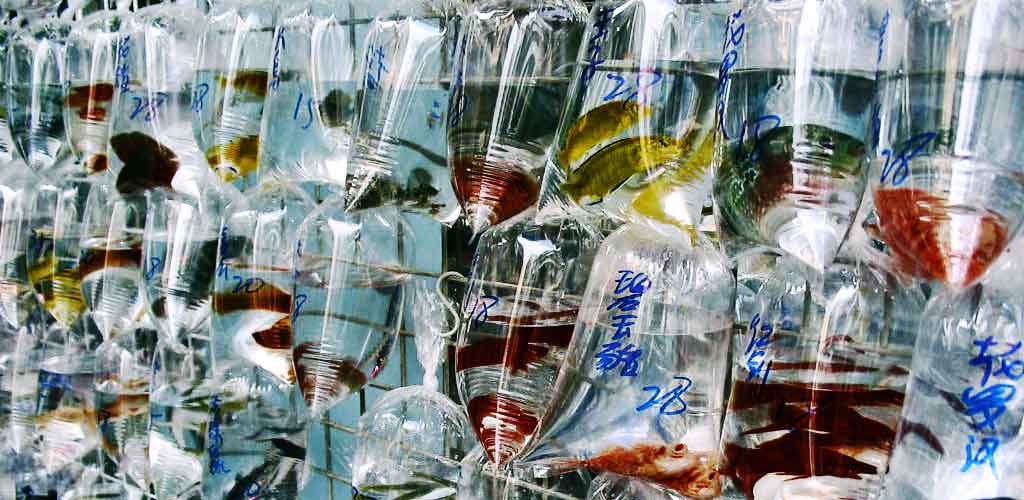
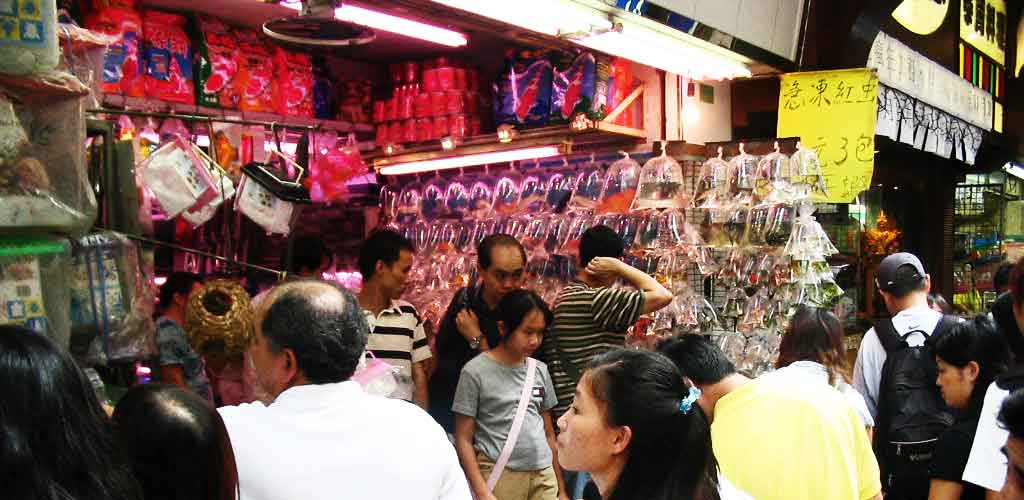
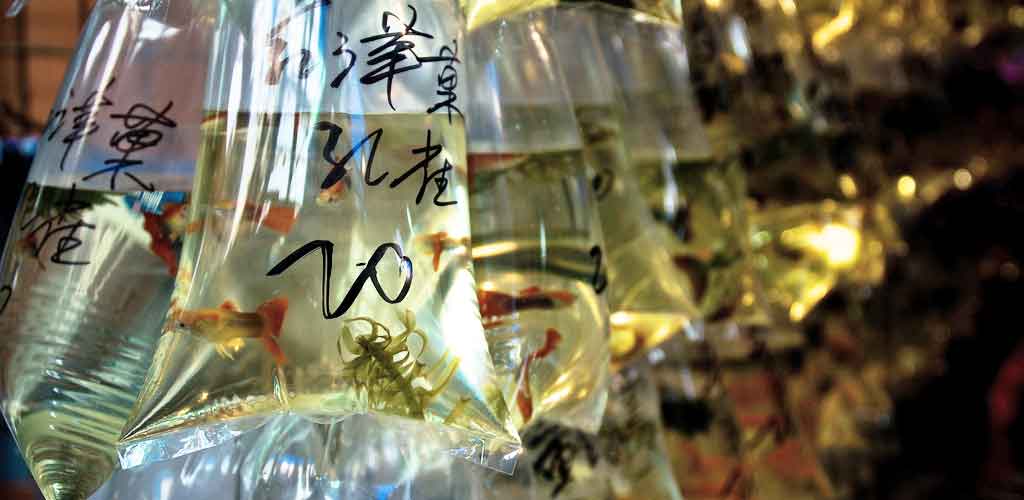
Street Market Retailers (Tung Choi Street)
Target Market Demographics encompass tourists seeking authentic Hong Kong cultural experiences, local hobbyists building basic collections, and feng shui practitioners requiring specific goldfish for traditional placement purposes. Street vendors understand these diverse customer needs and stock accordingly, maintaining varieties suitable for both decorative purposes and serious aquarist interests. The tourist market particularly values the cultural authenticity and reasonable pricing that street vendors provide.
Pricing Structure and Value ranges from HK$10-500 ($1.30-65 USD), reflecting the accessible nature of street market goldfish while still offering premium specimens for discerning buyers. This pricing tier serves as the entry point for most Hong Kong goldfish enthusiasts and provides excellent value for common varieties and healthy breeding stock. Price variations depend on size, color quality, health condition, and seasonal availability factors.
Variety Selection and Quality focuses on common goldfish and basic fancy varieties that appeal to broad customer preferences while maintaining reasonable inventory costs. Street vendors prioritize hardy, attractive fish that survive well in varied conditions and satisfy both decorative and feng shui requirements. The selection typically includes standard orange goldfish, basic telescope eyes, and simple color variations that represent the foundation of goldfish keeping.
🏪 Street Market Advantages
High turnover ensures fresh stock arrives daily, providing better fish health and selection compared to slower-moving inventory. Limited negotiation is possible for multiple purchases, especially when building complete feng shui arrangements or stocking pond systems with multiple specimens.
Specialized Aquarium Shops
Geographic Distribution and Accessibility spans throughout Hong Kong Island, Kowloon, and New Territories, providing convenient access for collectors across the region while maintaining specialized inventory that differs from street market offerings. These established businesses operate from permanent locations with proper filtration systems, climate control, and professional fish care facilities that ensure superior fish health and condition. Their strategic locations often coincide with established aquarium districts and pet market concentrations.
Enhanced Price Range and Value Proposition extends from HK$50-2,000 ($6.50-260 USD), reflecting the higher quality standards, specialized care, and additional services provided compared to street vendors. This pricing tier captures intermediate collectors seeking breeding stock, unique varieties, and fish with documented health guarantees. The price premium reflects professional care standards, selective sourcing, and ongoing customer support services.
Specialized Inventory and Breeding Focus emphasizes breeding stock quality, intermediate rarity levels, and comprehensive aquarium equipment that supports serious goldfish keeping. These shops maintain relationships with reputable breeders and can source specific varieties or genetic lines for dedicated collectors. Their equipment selection includes filtration systems, specialized foods, medications, and breeding supplies necessary for successful goldfish husbandry.
Professional Services and Customer Support include health guarantees that protect customer investments, after-sale support for ongoing care questions, and breeding advice from experienced staff members. Many shops offer water testing services, fish health consultations, and equipment setup assistance that adds significant value beyond the initial fish purchase. This professional approach builds long-term customer relationships and supports collector success.
🔗 Network Access Benefits
Specialized shops maintain connections to mainland Chinese breeders and international suppliers, providing access to varieties and genetic lines not available through street vendors. These networks enable special orders, seasonal imports, and access to emerging varieties before they reach general market availability.
Premium Dealers and Collectors
Exclusive Operation Model operates through private collections with appointment-only viewing systems that ensure serious collector interactions and protect valuable inventory from casual browsing. These operations maintain climate-controlled facilities with professional-grade filtration, quarantine systems, and breeding setups that rival commercial aquaculture facilities. The appointment system allows dealers to provide personalized attention and detailed fish histories that justify premium pricing.
Investment-Level Pricing Structure ranges from HK$1,000-50,000+ ($130-6,500+ USD), reflecting the exceptional quality, rarity, and genetic value of specimens offered through premium channels. This pricing tier represents serious investment opportunities for collectors building championship bloodlines or acquiring museum-quality specimens. Price justification includes genetic documentation, breeding potential, show history, and provenance from recognized breeding programs.
Show-Quality Standards and Genetic Focus emphasizes championship bloodlines, rare varieties, and breeding stock with documented genetic superiority that can improve collector breeding programs. These dealers specialize in fish with competition potential, unique genetic traits, or historical significance within goldfish breeding communities. Quality standards exceed commercial breeding operations and focus on genetic diversity, bloodline purity, and exceptional physical characteristics.
International Clientele and Competition Networks serves serious international collectors, competition participants, and breeding program developers who require access to the highest quality genetic material available. This clientele includes judges, professional breeders, and collectors building multi-generational breeding programs with specific genetic goals. The international focus requires expertise in shipping, documentation, and genetic assessment that justifies premium service fees.
🎯 Access Requirements and Exclusivity
Entry requires referrals from established collectors or proven collecting history that demonstrates serious commitment and financial capability. This exclusivity protects both dealer investments and ensures fish reach collectors capable of providing appropriate care and breeding environments for valuable specimens.
🔑 Market Access Strategy
Build relationships progressively: start with street markets to learn basics, develop connections with aquarium shops for intermediate varieties, then gain access to premium dealers through demonstrated knowledge and serious collecting intent.
Comprehensive Pricing Guide by Category
Common Varieties (Entry Level)
| Variety | Size | Quality Level | HK$ Price | USD Price | Availability |
|---|---|---|---|---|---|
| Common Goldfish | 2-3 inches | Pet Quality | 10-30 | 1.30-4.00 | Abundant |
| Comet Goldfish | 3-4 inches | Pet Quality | 20-50 | 2.60-6.50 | Common |
| Shubunkin | 3-4 inches | Good Color | 30-80 | 4.00-10.50 | Common |
| Fantail | 2-3 inches | Pet Quality | 40-100 | 5.20-13.00 | Common |
Intermediate Fancy Varieties
| Variety | Size | Quality Level | HK$ Price | USD Price | Availability |
|---|---|---|---|---|---|
| Oranda | 3-4 inches | Good Wen Development | 150-400 | 19.50-52.00 | Common |
| Ryukin | 3-4 inches | Proper Body Shape | 200-500 | 26.00-65.00 | Moderate |
| Black Moor | 3-4 inches | Good Eye Development | 100-300 | 13.00-39.00 | Common |
| Pearlscale | 2-3 inches | Uniform Scaling | 250-600 | 32.50-78.00 | Limited |
Premium and Rare Varieties
| Variety | Size | Quality Level | HK$ Price | USD Price | Availability |
|---|---|---|---|---|---|
| Ranchu (Japanese) | 4-5 inches | Show Quality | 800-3,000 | 104-390 | Rare |
| Bubble Eye | 3-4 inches | Perfect Bubbles | 600-2,000 | 78-260 | Rare |
| Celestial Eye | 3-4 inches | Proper Eye Position | 500-1,500 | 65-195 | Limited |
| Tosakin | 4-5 inches | Competition Grade | 2,000-8,000 | 260-1,040 | Very Rare |
Championship and Investment Grade
| Bloodline/Origin | Variety | Certification | HK$ Price | USD Price | Source |
|---|---|---|---|---|---|
| Niigata Kaneko | Tamasaba | Breeder Certificate | 3,000-12,000 | 390-1,560 | Private Dealers |
| Chinese Champion Lines | Oranda | Competition History | 5,000-20,000 | 650-2,600 | Exclusive Access |
| Japanese Master Breeders | Ranchu | Lineage Documentation | 8,000-40,000 | 1,040-5,200 | Annual Imports |
| Rare Color Mutations | Various | Genetic Verification | 10,000-50,000+ | 1,300-6,500+ | Private Collections |
💡 Price Evaluation Tips
Prices vary significantly based on size, age, breeding history, and current market demand. Factor in seasonal fluctuations, competition schedules, and import availability when timing purchases. Premium fish often require 30-50% deposits.
Seasonal Market Dynamics
Spring Market (March-May)
Peak Breeding Season Impact
- Supply Increase: New fry from winter breeding programs
- Price Trends: Common varieties decrease 10-20%
- Premium Focus: Breeding stock prices increase 15-30%
- Best Buys: Young fish with growth potential
- Avoid: Fully mature fish past breeding prime
Chinese New Year Influence
- Cultural Demand: Feng shui goldfish purchases peak
- Color Premium: Red and gold varieties command higher prices
- Symbolic Varieties: Nine-fish sets, specific color combinations
- Market Activity: Highest volume sales period
Summer Market (June-August)
Heat Stress Considerations
- Transport Challenges: Higher mortality during shipping
- Quality Focus: Dealers more selective about stock
- Price Stability: Minimal fluctuations, steady demand
- Health Premium: Disease-resistant varieties favored
- Care Costs: Increased cooling/aeration expenses
Autumn Market (September-November)
Competition Season
- Show Preparation: Premium fish prices peak
- Quality Assessment: Fish matured from spring breeding evaluated
- International Activity: Export orders for overseas competitions
- Investment Timing: Post-competition winners increase in value
- Breeding Selection: Next year's breeding stock chosen
Winter Market (December-February)
Quiet Season Opportunities
- Dealer Motivation: Reduced overhead, better negotiation
- Import Season: Japanese premium varieties arrive
- Planning Period: Dealers clear inventory for new stock
- Quality Time: More personal attention from specialists
- Health Advantage: Lower disease risk in cooler temperatures
🗓️ Optimal Buying Calendar
Best Overall Value: January-February (post-holiday inventory clearance)
Best Selection: September-October (pre-competition conditioning)
Best Prices: June-July (summer market stability)
Avoid: March-April (high demand, limited availability)
Rare and Exclusive Varieties
Ultra-Rare Goldfish Available in Hong Kong
Izumo Nankin
- Origin: Southwest Japan exclusive breeding
- Characteristics: No dorsal fin, curved back, white-red coloration
- Availability: 2-3 specimens annually through private importers
- Price Range: HK$15,000-35,000 ($1,950-4,550 USD)
- Investment Potential: High - limited global population
Jikin "Six-Scale" Goldfish
- Pattern Requirement: Red confined to lips, gill covers, and fins only
- Breeding Difficulty: Extremely challenging color genetics
- Availability: 1-2 quality specimens per year
- Price Range: HK$20,000-60,000 ($2,600-7,800 USD)
- Market Trend: Increasing collector interest globally
Curled-Gill Goldfish
- Unique Feature: Gill covers curl outward exposing red gill filaments
- Health Considerations: Requires exceptional water quality
- Breeding Source: Limited to specific Chinese farms
- Price Range: HK$8,000-25,000 ($1,040-3,250 USD)
- Collector Appeal: Novelty factor drives premium pricing
Meteor Goldfish (No Tail)
- Distinctive Feature: Complete absence of caudal fin
- Swimming Adaptation: Relies on body undulation for movement
- Breeding Challenge: Reproductive difficulties due to swimming limitations
- Price Range: HK$12,000-30,000 ($1,560-3,900 USD)
- Market Status: Controversial but gaining acceptance
Emerging Varieties and New Developments
Color Innovation Programs
- Blue Scale Development: Enhanced blue pigmentation research
- Purple Metallic Lines: Experimental color breeding
- Transparent Scale Types: Clear scale varieties for pattern enhancement
- Stability Challenges: Color consistency across generations
Body Shape Experiments
- Extended Dorsal Fins: Sail-fin goldfish development
- Extreme Pearl Scaling: Golf-ball texture enhancements
- Multiple Tail Variations: Triple and quadruple tail experiments
- Miniaturization Projects: Dwarf goldfish breeding programs
🧬 Experimental Variety Investments
New developments carry both highest risk and reward potential. Research breeding programs, verify genetic stability, and understand that experimental varieties may not maintain characteristics across generations. Investment requires deep technical knowledge.
International Trading and Shipping
Export Regulations and Requirements
Hong Kong Export Procedures
- Health Certificate: Required from licensed veterinarian (HK$200-500)
- CITES Permits: Not required for goldfish (non-endangered species)
- Export Declaration: Value declaration for customs (varies by destination)
- Processing Time: 3-5 business days for documentation
- Approved Facilities: Licensed dealers can arrange export services
Common Destination Requirements
United States
- Import Permit: Not required for goldfish
- Health Certificate: Required, must be recent (within 10 days)
- Quarantine: Home quarantine acceptable
- Customs Value: Declare accurate purchase price
- State Restrictions: Check individual state regulations
European Union
- Health Certificate: EU-approved format required
- Border Inspection: Possible at point of entry
- Import License: Required for commercial quantities
- Species Documentation: Scientific name declaration
- Transit Requirements: Special conditions for live animal transport
Australia
- Import Permit: Required from Department of Agriculture
- Quarantine Period: Mandatory facility quarantine (30 days)
- Approved Species List: Goldfish permitted with restrictions
- Health Testing: Comprehensive disease screening required
- Costs: Permit and quarantine fees approximately AUD $1,000-2,000
Shipping Methods and Costs
Air Freight (Standard Method)
- Transit Time: 12-48 hours depending on destination
- Packaging: Specialized fish boxes with oxygen injection
- Temperature Control: Climate-controlled cargo compartments
- Cost Structure: HK$50-150 per kg plus handling fees
- Survival Rate: 95-98% with professional packaging
Express Courier Services
- Services Available: DHL, FedEx, UPS (livestock approved)
- Transit Time: 24-48 hours door-to-door
- Packaging Requirements: Specialized livestock containers
- Cost Range: HK$500-2,000 depending on destination and size
- Advantages: Tracking, insurance options, faster handling
Shipping Cost Calculation Examples
| Destination | Method | Fish Value | Shipping Cost | Total Landed Cost |
|---|---|---|---|---|
| United States | Air Freight | HK$2,000 | HK$800 | HK$2,800 ($364) |
| United Kingdom | Express Courier | HK$5,000 | HK$1,200 | HK$6,200 ($806) |
| Australia | Air + Quarantine | HK$3,000 | HK$2,500 | HK$5,500 ($715) |
| Japan | Express Regional | HK$8,000 | HK$600 | HK$8,600 ($1,118) |
📦 Shipping Success Strategies
Use established dealers with shipping experience. Schedule shipments to avoid weekends and holidays. Consider seasonal weather patterns. Purchase insurance for valuable shipments. Establish relationships with receiving facilities for smooth clearance.
Investment Strategies and Market Trends
Goldfish as Alternative Investments
Historical Performance Analysis
- Premium Bloodlines: 8-15% annual appreciation over 10 years
- Championship Winners: 20-50% immediate post-competition increase
- Rare Varieties: 15-25% annual growth due to scarcity
- Common Varieties: 2-5% growth, primarily inflation-based
- Risk Factors: Mortality, market fluctuations, changing preferences
Investment Grade Categories
Blue Chip Varieties (Low Risk)
- Examples: High-quality Ranchu, Oranda from established lines
- Characteristics: Proven genetics, stable demand, breeding potential
- Investment Horizon: 3-5 years optimal
- Expected Returns: 8-12% annually
- Liquidity: Good - steady collector demand
Growth Varieties (Medium Risk)
- Examples: Emerging Japanese varieties, improved Chinese lines
- Characteristics: Growing recognition, quality improvements
- Investment Horizon: 5-8 years
- Expected Returns: 15-25% annually
- Liquidity: Moderate - requires specialist knowledge
Speculative Varieties (High Risk)
- Examples: Experimental colors, new body shapes
- Characteristics: Unproven market acceptance, genetic uncertainty
- Investment Horizon: 8-15 years
- Expected Returns: 25-100% potential, high loss risk
- Liquidity: Low - limited buyer pool
Portfolio Diversification Strategies
Balanced Collector Portfolio
- 40% Blue Chip: Established varieties, proven genetics
- 35% Growth: Emerging varieties with potential
- 20% Breeding Stock: Income-generating reproductive fish
- 5% Speculative: High-risk, high-reward experimental varieties
Geographic Diversification
- Chinese Lines: Volume production, competitive pricing
- Japanese Bloodlines: Premium quality, limited availability
- Thai Developments: Emerging market with innovation
- Local Breeding: Adapted to local conditions, lower transport costs
💼 Professional Investment Approach
Treat goldfish investment seriously: maintain detailed records, understand genetics, network with breeders, attend competitions, and consider professional appraisals for insurance. Diversify across varieties, ages, and bloodlines to minimize risk.
Negotiation and Purchase Strategies
Effective Negotiation Techniques
Street Market Approach
- Volume Purchasing: Buy multiple fish for better unit prices
- End of Day Timing: Vendors more willing to negotiate before closing
- Cash Advantage: Immediate payment often secures discounts
- Relationship Building: Return customers receive preferential treatment
- Quality Issues: Point out minor flaws for price reductions
Specialized Dealer Strategy
- Knowledge Demonstration: Show expertise to gain respect and access
- Long-term Relationship: Emphasize ongoing purchase plans
- Breeding Interest: Express interest in breeding programs for better prices
- Market Information: Share information from other sources
- Referral Value: Offer to refer other serious collectors
Premium Collection Acquisition
- Patience Strategy: Wait for optimal timing rather than immediate purchase
- Expert Consultation: Bring knowledgeable advisors for major purchases
- Condition Guarantees: Negotiate health warranties and return policies
- Payment Terms: Arrange deposits with milestone payments
- Authentication: Verify breeding records and genetic documentation
Quality Assessment for Purchase Decisions
Physical Health Indicators
- Swimming Behavior: Steady, controlled movement without listing
- Appetite Response: Immediate interest in food offerings
- Fin Condition: No tears, rot, or clamped fins
- Eye Clarity: Clear eyes without cloudiness or bulging
- Skin Quality: No white spots, ulcers, or unusual markings
Genetic Quality Markers
- Breed Characteristics: Proper conformation for specific variety
- Color Intensity: Vibrant, stable coloration
- Body Proportions: Balanced head-to-body ratios
- Fin Development: Appropriate size and shape for age
- Behavioral Traits: Active, alert responses to environment
Investment Potential Evaluation
- Bloodline Documentation: Verified genetic history
- Competition Potential: Features meeting show standards
- Breeding Value: Reproductive health and genetic diversity
- Market Trend Position: Alignment with current collecting interests
- Rarity Factor: Availability in current market
🔍 Pre-Purchase Checklist
✓ Research current market values
✓ Inspect fish health thoroughly
✓ Verify dealer reputation and guarantees
✓ Understand shipping and care requirements
✓ Confirm legal import requirements
✓ Budget for
ongoing care costs
✓ Plan quarantine and integration procedures
Market Intelligence and Information Sources
Professional Networks and Associations
International Organizations
- Goldfish Society of America: Competition standards, breeding records
- British Goldfish Society: European market trends, show schedules
- Japan Goldfish Society: Japanese bloodline information, breeding techniques
- Chinese Goldfish Association: Mainland breeding developments, export regulations
Regional Hong Kong Resources
- Hong Kong Aquarium Society: Local market conditions, dealer recommendations
- Tung Choi Street Vendors Association: Market schedules, special events
- Professional Aquarist Network: Technical advice, breeding consultations
- University Research Programs: Genetic studies, health research
Market Monitoring Tools
Price Tracking Methods
- Auction Records: Online and physical auction results
- Competition Awards: Championship fish subsequent market values
- Dealer Price Lists: Regular monitoring of specialist catalogs
- Export Documentation: Official trade value records
- Insurance Appraisals: Professional valuation trends
Market Trend Indicators
- Breeding Program Announcements: New variety developments
- Import/Export Volumes: Trade flow changes
- Competition Participation: Variety popularity trends
- Media Coverage: Public interest indicators
- Collector Demographics: Market participant changes
📊 Market Intelligence Strategy
Successful trading requires continuous market monitoring. Develop information sources across multiple regions, maintain relationships with key dealers, and track both prices and breeding developments. Information advantage translates to trading advantage.
Conclusion: Building a Successful Trading Strategy
Success in Hong Kong's goldfish markets requires combining technical knowledge, market intelligence, relationship building, and strategic patience. Whether collecting for personal enjoyment or investment purposes, understanding the market structure, pricing dynamics, and quality assessment criteria provides the foundation for making informed decisions.
Hong Kong's unique position as a gateway between traditional Chinese breeding centers and international collectors creates opportunities for those who understand how to navigate this complex ecosystem. By following the strategies outlined in this guide, collectors can maximize their chances of finding exceptional fish at favorable prices while building lasting relationships within the global goldfish community.
🎯 Action Plan for New Collectors
1. Start with moderate investments to learn market dynamics
2. Build relationships with reputable dealers and fellow collectors
3. Attend competitions and shows to understand quality standards
4. Develop expertise
in specific varieties before expanding
5. Maintain detailed records of purchases, performance, and market trends
6. Consider joining international goldfish organizations for networking