Hong Kong Markets Complete Cultural Guide 2025: Goldfish, Ladies, Flower & Bird Markets
Experience Hong Kong's authentic cultural soul through its vibrant traditional markets, where ancient Chinese wisdom meets contemporary urban energy in spectacular daily displays. From the fortune-bringing goldfish swimming in plastic bags along Tung Choi Street to the morning bird-walking rituals in Yuen Po Street Garden, Hong Kong's markets offer immersive cultural experiences that reveal why this city remains uniquely positioned between East and West, tradition and modernity, commerce and community.
🎯 Market Discovery Guide
- Cultural Heritage: Four markets showcasing different aspects of Hong Kong traditions
- Walking Distance: All markets within 15-minute walk in Mong Kok district
- MTR Access: Prince Edward and Mong Kok stations provide excellent connectivity
- Time Required: 3-6 hours for complete cultural market circuit experience
Market Cultural Significance and Living Heritage
Hong Kong's traditional markets represent living cultural institutions where heritage practices transcend mere commerce to embody community identity, spiritual beliefs, and social traditions that have shaped Hong Kong's distinctive character for generations. These markets serve as informal cultural education centers where vendors share traditional knowledge, elderly practitioners demonstrate ancient customs, and visitors encounter authentic cultural experiences unavailable in modern commercial spaces.
Unlike static museums or cultural performances, Hong Kong's markets showcase dynamic cultural heritage where traditions adapt and evolve while maintaining essential character and community function. Local families depend on these markets for feng shui fish that enhance home prosperity, traditional flowers for seasonal festivals, quality birds for companionship and social interaction, and bargaining experiences that maintain Cantonese commercial culture in contemporary urban settings.
Cultural Integration in Urban Hong Kong
The remarkable preservation of traditional market culture within Hong Kong's ultra-modern urban landscape demonstrates the city's unique ability to maintain cultural authenticity amid rapid development. Government policies explicitly support traditional markets as cultural assets essential to Hong Kong's tourism identity and community heritage, ensuring these institutions receive protection and promotion as irreplaceable elements of the city's competitive cultural advantage.
📈 Cultural Tourism Growth
2025 Statistics: Hong Kong welcomed over 20 million visitors in first five months of 2025, with traditional markets increasingly featured in cultural tourism packages and authentic experience recommendations.
Government Support: "Development Blueprint for Tourism Industry 2.0" officially recognizes traditional markets as key cultural tourism assets requiring preservation and promotion.
Goldfish Market: Prosperity Symbols and Feng Shui Culture
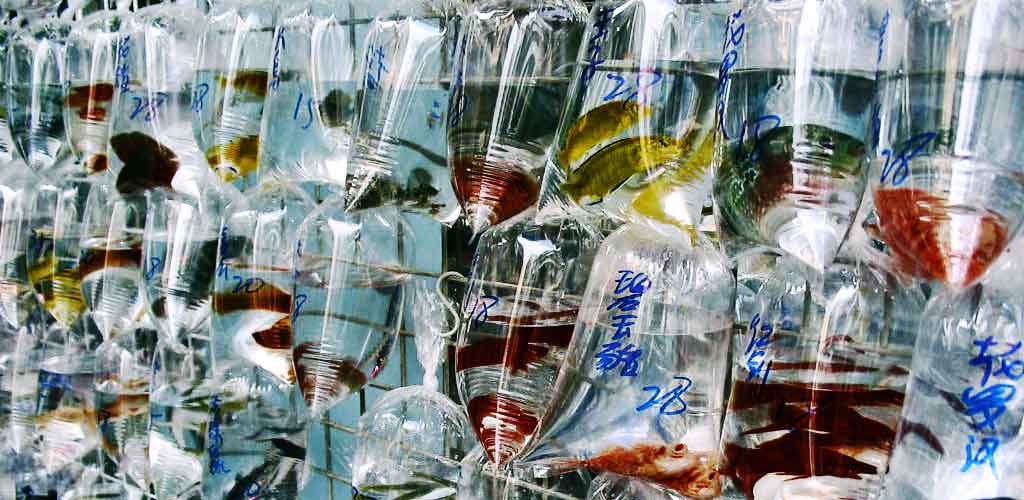
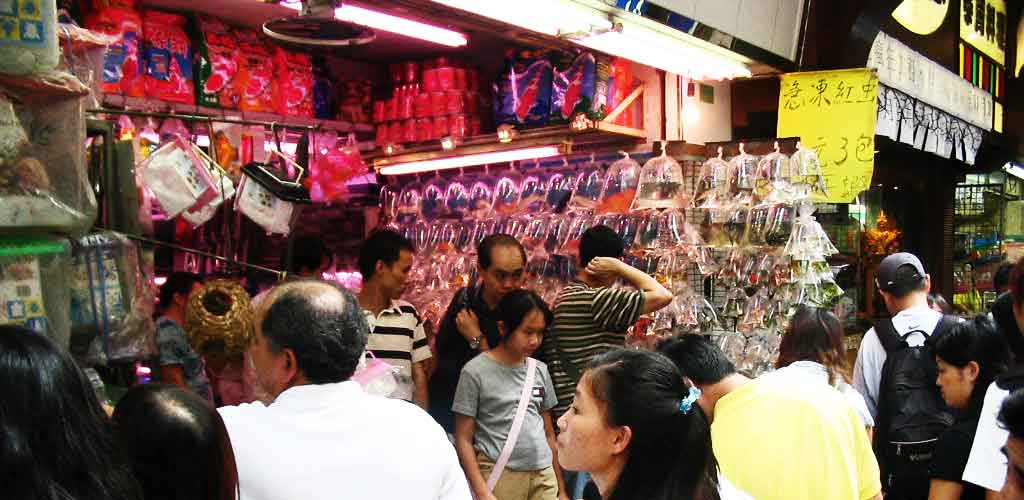
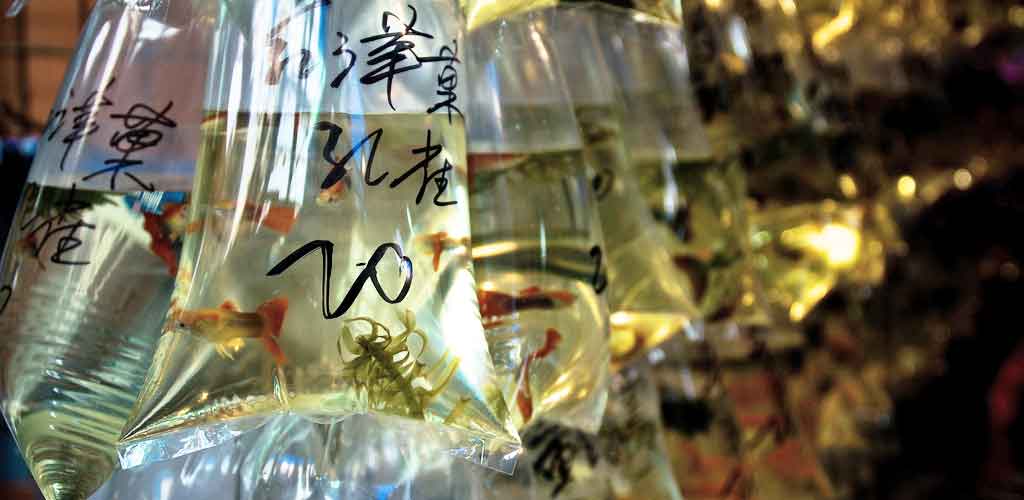
The Goldfish Market creates Hong Kong's most photographed street scene, where thousands of goldfish displayed in plastic bags transform Tung Choi Street North into a shimmering aquatic wonderland that embodies ancient Chinese prosperity beliefs. This isn't merely visual spectacle—it's authentic cultural practice where feng shui principles guide fish selection, tank placement, and care routines that local families believe directly influence wealth, health, and relationship harmony.
Feng Shui Principles and Traditional Practices
Traditional goldfish selection involves understanding five-element theory, numerology, and symbolic meaning that connects fish keeping to prosperity enhancement and spiritual protection. Red goldfish represent fire element energy that activates wealth corners in homes and offices, while black fish absorb negative influences before they affect family fortune. Specific numbers carry cultural significance—eight fish multiply wealth luck, while nine fish bring completion and fulfillment of prosperity goals.
Market Details:
Location: Tung Choi Street North (between Nullah Road and Bute Street)
Operating Hours: 10:00 AM - 10:00 PM daily
Shop Count: 40-50 specialized aquatic businesses
MTR Access: Prince Edward Station (Exit B2) - 2 minutes walk
Cultural Experience and Photography
Early morning wholesale activity (4:00 AM - sunrise) showcases traditional trading practices when serious aquarists and shop owners conduct business in pre-dawn quiet. Late afternoon to evening provides optimal photography conditions when market lighting creates magical effects and the street reaches peak activity. Respectful photography is generally welcomed, though asking permission before photographing inside shops demonstrates cultural sensitivity that vendors appreciate.
Ladies' Market: Bargaining Culture and Commercial Heritage
Ladies' Market extends along Tung Choi Street South, creating Hong Kong's most vibrant street shopping experience where traditional Cantonese bargaining culture meets contemporary consumer energy. With over 100 stalls packed into a bustling kilometer-long corridor, the market preserves Hong Kong's unique commercial heritage where negotiation skills, cultural exchange, and community interaction create authentic marketplace atmosphere unchanged for decades.
Bargaining Culture and Social Interaction
Successful navigation requires understanding Hong Kong's bargaining traditions, where initial prices serve as negotiation starting points rather than fixed costs. Traditional etiquette suggests offering 30-50% of quoted prices as opening bids, then negotiating toward mutually acceptable compromises through respectful cultural exchange. This represents social interaction where humor, respect, and cultural appreciation often influence final pricing more than aggressive tactics.
Market Details:
Location: Tung Choi Street South (Nelson Street to Dundas Street)
Operating Hours: 12:00 PM - 11:30 PM daily
Peak Activity: 6:00 PM - 10:00 PM when market reaches maximum energy
MTR Access: Mong Kok Station (Exit E2) - 3 minutes walk
🛍️ Smart Shopping Strategies
- Quality Assessment: Examine items carefully as quality varies significantly between stalls
- Price Comparison: Walk entire market before purchasing to understand pricing ranges
- Cultural Respect: Maintain friendly atmosphere during negotiations; avoid aggressive tactics
- Cash Preparation: Most vendors prefer cash transactions for better pricing flexibility
Flower Market: Seasonal Symbolism and Festival Traditions
Hong Kong's Flower Market along Flower Market Road creates a sensory paradise where traditional Chinese symbolism intersects with seasonal celebrations through spectacular floral displays. More than 50 specialized vendors offer everything from daily arrangements to traditional festival flowers, each bloom carrying cultural significance that connects to Chinese lunar calendar festivals, seasonal celebrations, and symbolic practices guiding Hong Kong families throughout the year.
Traditional Flower Symbolism and Cultural Meanings
Traditional flower selection follows ancient symbolic systems where specific blooms enhance different life aspects and seasonal celebrations. Chrysanthemums represent longevity and respect, essential for honor displays and autumn festivals. Peonies symbolize prosperity and dignity, chosen for wedding celebrations and business openings. Orchids embody refined elegance and scholarly achievement, favored by families seeking educational success and cultural sophistication.
Market Details:
Location: Flower Market Road (Prince Edward to Mong Kok East)
Operating Hours: 7:00 AM - 7:30 PM daily
Peak Seasons: Chinese New Year, Mid-Autumn Festival, and spring celebrations
MTR Access: Prince Edward Station (Exit B1) - 3 minutes walk
Seasonal Festival Connections
Chinese New Year (January-February): Kumquat trees, narcissus bulbs, and plum blossoms create traditional prosperity arrangements for lunar new year celebrations. Market activity intensifies dramatically as families purchase symbolic plants believed to attract wealth and good fortune for the coming year.
Mid-Autumn Festival (September-October): Seasonal chrysanthemums and traditional autumn blooms complement moon-viewing practices and family reunion celebrations, with vendors offering specialized arrangements that honor harvest traditions and family harmony.
Bird Market: Social Traditions and Morning Community Rituals
Yuen Po Street Bird Garden represents Hong Kong's most authentic cultural experience, where traditional bird-keeping practices create daily social rituals connecting community members through centuries-old customs of pet care, social interaction, and cultural knowledge sharing. This covered market space combines commerce with living tradition, offering exotic singing birds and handcrafted traditional cages while serving as gathering place where elderly gentlemen continue morning social bird exercise routines.
Traditional Bird-Keeping Culture and Social Functions
Bird keeping in Hong Kong extends beyond pet ownership to encompass cultural practices connecting meditation, social interaction, and traditional Chinese philosophy about harmony with nature. Daily morning gatherings create community rituals where bird owners bring prized songbirds for social exercise, allowing birds to interact while owners discuss care techniques, breeding knowledge, and traditional bird culture wisdom passed down through generations.
Market Details:
Location: Yuen Po Street Bird Garden (covered garden complex)
Operating Hours: 7:00 AM - 8:00 PM daily
Cultural Peak: 7:00-9:00 AM for authentic traditional morning activities
MTR Access: Prince Edward Station (Exit B1) - 5 minutes walk
Cultural Activities and Traditional Practices
Morning Social Gatherings: Regular bird owners congregate for community interaction, bird socialization, and knowledge sharing about traditional care practices and cultural significance.
Traditional Cage Craftsmanship: Artisans demonstrate ancient Chinese woodworking and bamboo crafting skills through custom cage creation that reflects traditional aesthetics and functional bird-keeping requirements.
Cultural Education: Elderly practitioners share knowledge about bird behavior, traditional feeding practices, seasonal care adjustments, and cultural beliefs about bird keeping as meditation and character development.
🕐 Optimal Market Circuit Timing
- 7:00-9:00 AM: Bird Market for authentic morning social rituals
- 9:00-11:00 AM: Flower Market for best selection and traditional activities
- 11:00 AM-1:00 PM: Goldfish Market during optimal lighting conditions
- 6:00-10:00 PM: Ladies' Market during peak energy and authentic atmosphere
Cultural Circuit Planning and Transportation
Hong Kong's traditional markets cluster within Mong Kok district, creating exceptional opportunities for comprehensive cultural market circuits that showcase diverse aspects of Hong Kong heritage within compact walking distances. MTR connectivity through Prince Edward and Mong Kok stations ensures easy access from throughout Hong Kong, while the markets' proximity allows visitors to experience four distinct cultural traditions in a single day of exploration.
Strategic Transportation and Access
Prince Edward Station Hub: Serves as central access point for Bird Market, Flower Market, and Goldfish Market, with multiple MTR line connections ensuring seamless arrival from Hong Kong Island, Kowloon, and New Territories.
Mong Kok Station Access: Direct connection to Ladies' Market with easy walking access to other traditional markets, served by Tsuen Wan Line with connections throughout Hong Kong's transportation network.
Walking Circuit Efficiency: All four markets accessible within 10-15 minutes walking distance, allowing flexible circuit planning based on personal interests, time constraints, and cultural priorities.
Cultural Experience Optimization
Comprehensive market circuits benefit from understanding each market's optimal visiting times, cultural peak periods, and authentic activity schedules that showcase genuine community practices. Early morning bird market visits capture traditional social rituals, while evening ladies' market exploration showcases peak commercial energy and authentic bargaining culture interactions.
Community Significance and Cultural Education
Hong Kong's traditional markets maintain essential community functions that extend beyond commerce to include cultural education, social interaction, and heritage preservation in rapidly modernizing urban environments. Market vendors serve as informal cultural teachers, sharing traditional knowledge about feng shui principles, flower symbolism, bird care practices, and bargaining etiquette with both local customers and international visitors seeking authentic cultural encounters.
Heritage Preservation and Knowledge Transfer
These markets ensure cultural continuity through intergenerational knowledge sharing where experienced practitioners teach younger community members about traditional practices, seasonal celebrations, symbolic meanings, and cultural values that maintain Hong Kong's distinctive heritage amid global influences and urban development pressures.
Vendor relationships extend beyond commercial transactions to include cultural mentorship, traditional knowledge preservation, and community support networks that reflect Hong Kong's unique balance between urban efficiency and traditional community values that distinguish the city within contemporary global contexts.
Visitor Cultural Guidelines and Respectful Exploration
Meaningful traditional market experiences require recognizing these spaces as active community institutions serving essential local needs while welcoming cultural curiosity from visitors. Respectful observation, genuine interest in cultural practices, appropriate photography etiquette, and supportive purchasing create positive interactions benefiting both visitors seeking authentic experiences and local communities maintaining traditional livelihoods.
Cultural Sensitivity Principles: Approach markets as living cultural institutions rather than entertainment destinations, maintaining respect for community functions and traditional practices that serve local families' daily needs.
Photography Ethics: Always request permission for close-up photography, especially inside shops or featuring specific individuals, and consider small purchases to support vendors who accommodate photography requests.
Learning Engagement: Ask vendors about cultural significance, traditional practices, and symbolic meanings to enhance understanding while supporting knowledge preservation and cultural exchange.
Hong Kong's traditional markets offer unparalleled access to authentic cultural heritage where ancient practices flourish within contemporary urban settings. Through respectful exploration, genuine cultural curiosity, and supportive community interaction, these markets reveal the profound traditions that continue shaping Hong Kong's distinctive identity as a global cultural crossroads where East meets West in daily community life.