Location of Goldfish Market Hong Kong - Cultural Navigation Guide
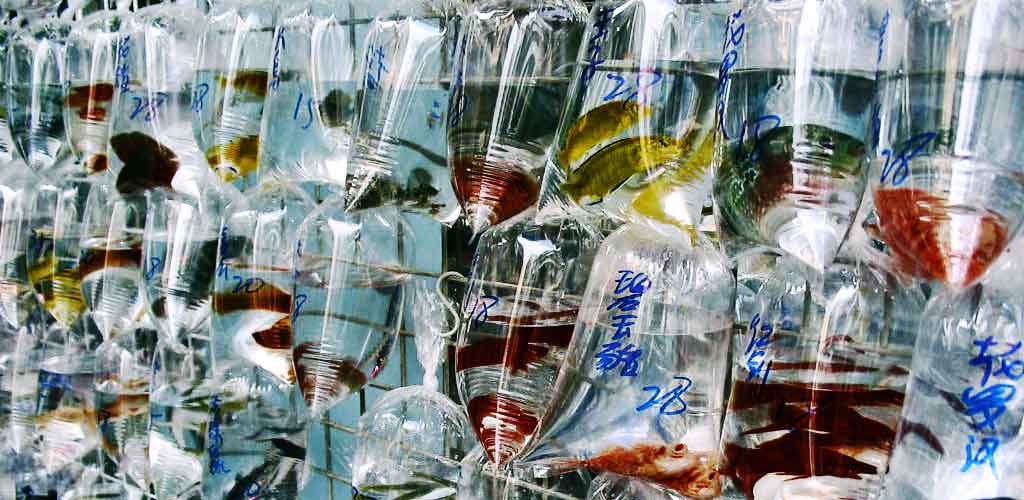
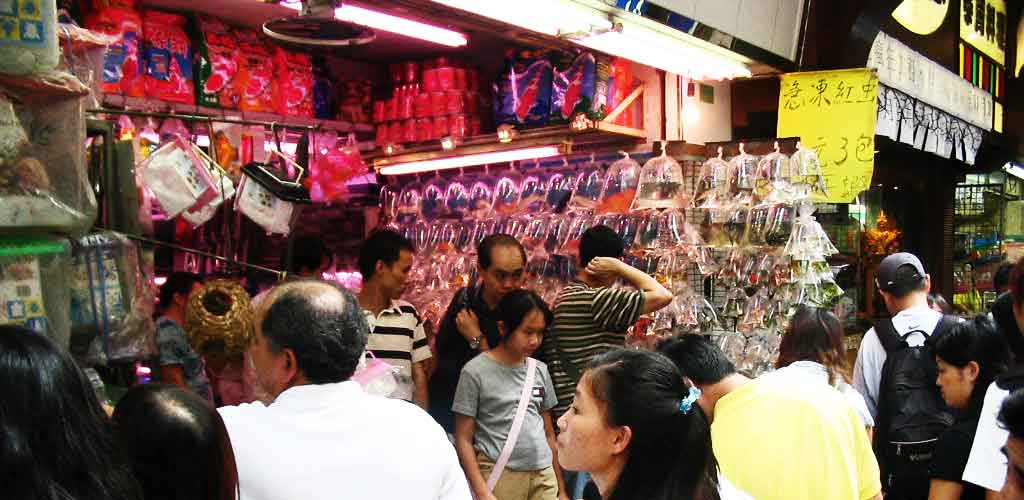
Hong Kong's famous goldfish market, properly known as Tung Choi Street North (通菜街北), occupies a culturally significant position in the heart of Mong Kok, serving as the authentic center of traditional feng shui goldfish culture. This strategic location connects seamlessly with Hong Kong's other traditional markets, creating a cultural circuit that locals and cultural enthusiasts have treasured for decades.
📍 Precise Cultural Location
Official Address: Tung Choi Street North, Mong Kok, Kowloon
Cultural Designation: Traditional goldfish market and cultural heritage site
Market Length: 160 meters of continuous cultural immersion
Geographic Boundaries: Nullah Road (north) to Bute Street (south)
Understanding the Cultural Geography
The goldfish market represents just one segment of the larger Tung Choi Street cultural corridor. While tourists often refer to the entire area generically, locals distinguish between the distinct market sections, each with its own cultural identity and traditional purpose.
Tung Choi Street Cultural Sections
- Tung Choi Street North: Goldfish market - traditional feng shui and aquatic culture
- Tung Choi Street South: Ladies' Market - traditional street commerce and bargaining culture
- Cultural Transition Zone: Argyle Street intersection connecting both traditional markets
Cultural Significance: This arrangement reflects traditional Chinese urban planning where specialized markets cluster together for convenient cultural and commercial access.
🚇 Cultural Transportation Hub
Primary Access: Prince Edward Station (太子站) Exit B2
- Tsuen Wan Line and Kwun Tong Line intersection
- 3-minute cultural walk through traditional neighborhood streets
- Authentic local atmosphere from station to market entrance
Alternative Access: Mong Kok Station Exit B3
- Tsuen Wan Line access with traditional market circuit integration
- 5-minute walk connecting multiple cultural experiences
- Direct access to Ladies' Market cultural continuation
Cultural Market Circuit Integration
The goldfish market's strategic location makes it the perfect starting point for a comprehensive traditional market cultural tour, connecting authentically with Hong Kong's other cultural heritage sites.
Traditional Market Walking Circuit
Stage 1: Goldfish Market (Starting Point)
- Cultural Focus: Feng shui traditions and goldfish symbolism
- Time Required: 30-45 minutes for authentic cultural immersion
- Best Experience: 10:00-11:00 AM when vendors are most active
Stage 2: Ladies' Market (2-minute walk south)
- Cultural Focus: Traditional street commerce and bargaining culture
- Walking Route: Continue south on Tung Choi Street
- Cultural Transition: Experience change from spiritual to commercial focus
Stage 3: Bird Garden (8-minute walk)
- Cultural Focus: Traditional Chinese bird-keeping heritage
- Walking Route: Via Sai Yeung Choi Street to Yuen Po Street
- Cultural Element: Traditional bamboo cage craftsmanship
Stage 4: Flower Market (10-minute walk)
- Cultural Focus: Traditional feng shui plants and seasonal celebrations
- Walking Route: Flower Market Road via Prince Edward Road
- Cultural Completion: Full traditional market cultural circuit
🗺️ Cultural Navigation Tips
Street Signs: Look for traditional Chinese characters alongside English
Cultural Landmarks: Traditional shop signs and feng shui decorations guide your path
Local Navigation: Ask vendors for directions - many speak basic English and appreciate cultural interest
Traditional Timing: Early morning (8:00-10:00 AM) provides most authentic local atmosphere
Neighborhood Cultural Context
Understanding Mong Kok's cultural geography enhances appreciation for the goldfish market's authentic Hong Kong context.
Mong Kok Cultural Characteristics
Authentic Urban Density:
- World's highest population density creates authentic Hong Kong atmosphere
- Traditional shop houses preserve architectural heritage
- Multi-generational businesses maintain cultural continuity
- Authentic street-level commerce reflects traditional Hong Kong lifestyle
Cultural Preservation Elements:
- Traditional signage combining Chinese characters with English
- Authentic wet markets serving local residential communities
- Traditional tea houses (cha chaan teng) maintaining local culture
- Cultural mixing of traditional practices with modern urban life
Historical Geographic Significance
Traditional Development: Mong Kok evolved from agricultural area to commercial center while preserving essential cultural elements. The goldfish market represents this cultural continuity, maintaining traditional practices within modern urban development.
Cultural Accessibility: The area's excellent transportation connections reflect Hong Kong's planning philosophy of making traditional culture accessible to all residents and visitors.
Interactive Cultural Map & Navigation
View Larger Cultural Map
🎯 Cultural Photography Locations
Market Entrance: Traditional shop signs and cultural atmosphere
Mid-Market: Most concentrated goldfish displays and vendor activity
Cultural Transitions: Where goldfish market connects with Ladies' Market
Neighborhood Context: Traditional architecture and authentic street life
Practical Cultural Navigation
Successful goldfish market visits require understanding both geographic location and cultural timing for optimal authentic experiences.
Cultural Timing Recommendations
Peak Cultural Activity:
- 10:00-11:00 AM: Most active vendor displays and customer interactions
- 4:00-6:00 PM: Afternoon light creates excellent photography conditions
- Weekend Mornings: Local families shopping for traditional feng shui arrangements
Cultural Seasonal Variations:
- Chinese New Year: Peak traditional activity with enhanced cultural displays
- Mid-Autumn Festival: Secondary cultural peak with traditional celebrations
- Summer Months: Early morning visits recommended for comfortable cultural exploration
Cultural Preparation Tips
Language Preparation:
- Learn basic Cantonese greetings for respectful cultural interaction
- Understand traditional goldfish terminology for authentic shopping
- Appreciate traditional signage mixing Chinese characters with English
Cultural Respect Guidelines:
- Ask permission before photographing vendor displays or traditional practices
- Show genuine interest in cultural significance rather than exotic novelty
- Support local vendors through respectful interaction and thoughtful purchases
- Maintain quiet observation during traditional feng shui consultations
💡 Cultural Insider Tips
Authentic Exploration: Spend 30-60 minutes for genuine cultural immersion rather than quick tourist visit
Traditional Knowledge: Engage respectfully with elderly vendors who possess generations of feng shui wisdom
Cultural Circuit: Plan 3-4 hours for complete traditional market cultural experience
Local Connections: Build relationships through multiple visits to deepen cultural understanding
Cultural Heritage & Location Significance
The goldfish market's location within Mong Kok represents more than geographic convenience—it reflects traditional Chinese urban planning principles that concentrate related cultural practices for community benefit.
Cultural Urban Planning
Traditional Clustering: Related cultural practices traditionally locate near each other for customer convenience and cultural reinforcement. The goldfish market's proximity to bird, flower, and ladies' markets continues this ancient pattern.
Transportation Integration: Modern MTR access preserves traditional accessibility principles while serving contemporary Hong Kong residents and international cultural visitors.
Cultural Preservation: The market's maintained location despite urban redevelopment pressures demonstrates Hong Kong's commitment to preserving authentic cultural heritage within modern city development.
For comprehensive cultural navigation guidance and traditional market touring strategies, explore our detailed transportation and cultural access guide and complete Mong Kok cultural walking tour.
Navigate to the heart of Hong Kong's traditional goldfish culture at Tung Choi Street North, where geographic location meets authentic cultural heritage.