Mong Kok Cultural Attractions & Goldfish Market Walking Tour
Mong Kok (旺角), literally meaning "Prosperous Corner," represents the beating cultural heart of Hong Kong where traditional markets meet modern urban energy. This comprehensive walking tour guides you through authentic cultural experiences, from the famous goldfish market to hidden temples and local culinary treasures, revealing layers of Hong Kong heritage within one of the world's most densely populated districts.
🚶♂️ Tour Overview
Duration: 4-6 hours (full cultural immersion)
Distance: 3.5 kilometers of cultural discovery
Best Time: Morning start (9:00 AM) for authentic market atmosphere
Difficulty: Easy walking, suitable for all ages
Tour Route Map & Cultural Highlights
This carefully planned route maximizes cultural authenticity while navigating Mong Kok's bustling streets efficiently, connecting major attractions through traditional neighborhoods.
Starting Point: Mong Kok MTR Station (Exit E2)
Begin your cultural journey at Hong Kong's busiest MTR interchange, where traditional commerce meets modern transportation. Exit E2 places you directly on Nathan Road, the "Golden Mile" of Kowloon.
Cultural Context: Mong Kok's development from rural farming area to urban cultural center reflects Hong Kong's transformation over the past century.
Stop 1: Goldfish Market - Traditional Feng Shui Culture (30 minutes)
Location: Tung Choi Street North
Cultural Significance: Living feng shui practices and traditional beliefs
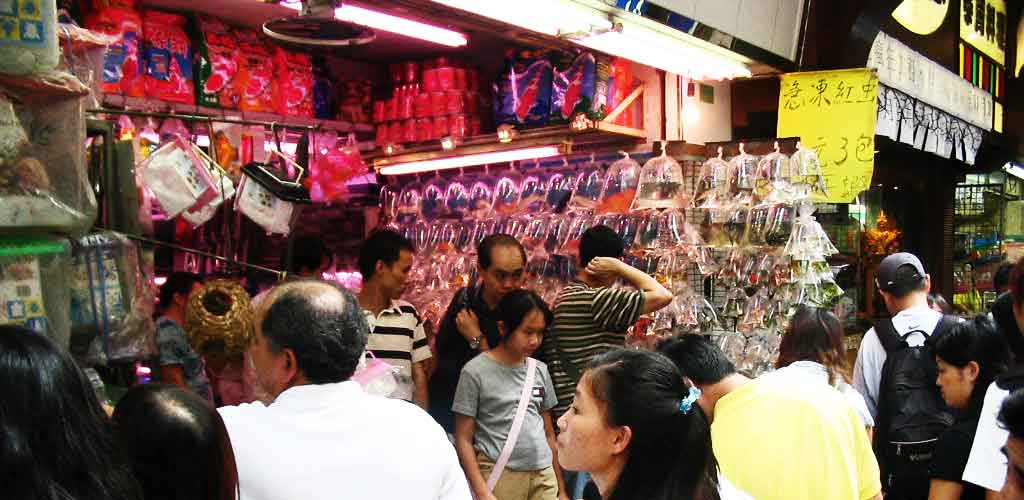
Start with Hong Kong's most authentic cultural market experience. The goldfish market preserves centuries-old feng shui traditions while serving modern practitioners seeking prosperity and spiritual harmony.
🐠 Cultural Immersion Tips
Best Viewing Times: 10:00-11:00 AM for active fish displays
Cultural Etiquette: Ask permission before photographing vendor setups
Traditional Practice: Observe customers selecting fish by feng shui color and number significance
Local Language: "Gam yu" (金魚) means goldfish; vendors often speak basic English
What to Experience:
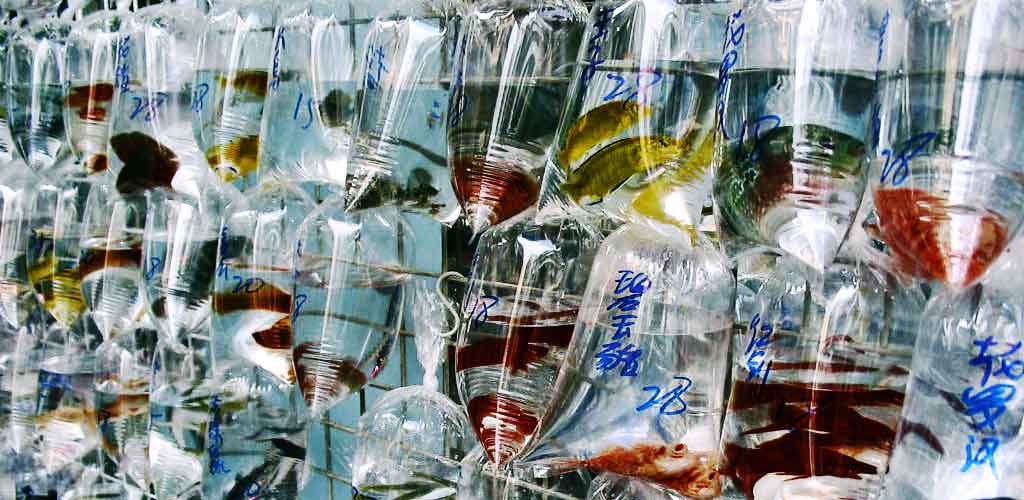
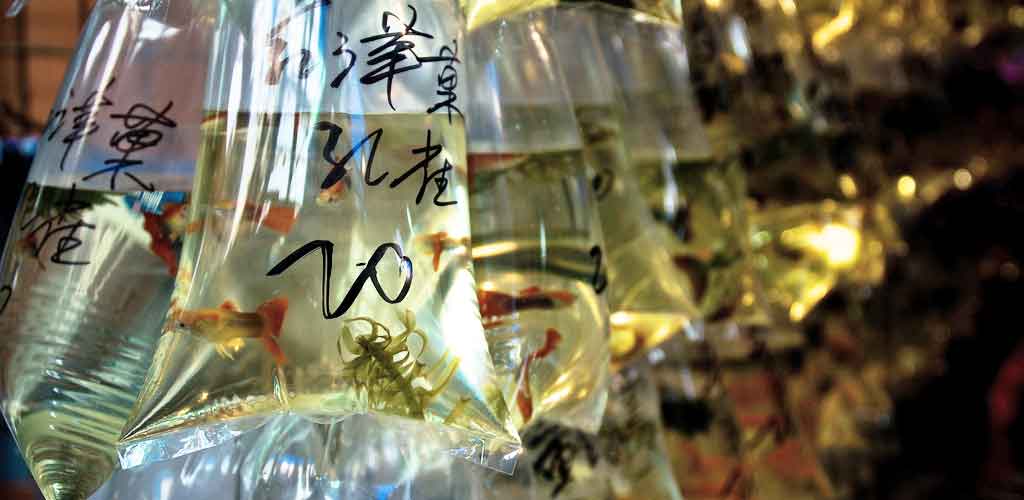
- Walls of goldfish in traditional plastic bag displays
- Professional aquarium setups demonstrating feng shui arrangements
- Multi-generational vendors sharing traditional knowledge
- Authentic goldfish varieties with cultural significance
- Traditional tank accessories and feng shui elements
Stop 2: Ladies' Market Cultural Shopping Experience (45 minutes)
Location: Tung Choi Street South
Walking Time: 3 minutes from Goldfish Market
Cultural Theme: Traditional street commerce and bargaining culture
Hong Kong's most famous street market represents traditional Chinese commerce culture, where bargaining skills and social interaction create authentic cultural exchange between vendors and visitors.
Cultural Shopping Experiences:
- Traditional Textiles: Silk scarves, embroidered items, and traditional Chinese clothing
- Cultural Souvenirs: Authentic Hong Kong memorabilia and traditional crafts
- Bargaining Practice: Learn traditional negotiation customs and respectful haggling
- Street Food Culture: Sample traditional Hong Kong snacks from market stalls
🛍️ Traditional Bargaining Guide
Cultural Customs:
- Start at 50-60% of asking price
- Show respect through polite negotiation
- Learn basic Cantonese numbers for authentic interaction
- Smile and maintain friendly demeanor throughout
Best Purchases: Traditional Chinese tea sets, silk items, cultural books, Hong Kong photography
Stop 3: Fa Hui Park & Local Residential Culture (20 minutes)
Location: Fa Hui Park (near Boundary Street)
Walking Time: 8 minutes from Ladies' Market
Cultural Focus: Local community life and traditional recreation
This neighborhood park reveals authentic Hong Kong community culture, where elderly residents practice tai chi, play traditional games, and maintain social connections in urban environment.
Cultural Observations:
- Morning tai chi and qigong practice by local seniors
- Traditional Chinese chess (xiangqi) competitions
- Mahjong games under park pavilions
- Multi-generational family gatherings reflecting Hong Kong social structure
- Traditional exercises using public equipment
Stop 4: Sham Shui Po Traditional Neighborhoods (30 minutes)
Walking Route: Through Lai Chi Kok Road traditional streets
Cultural Theme: Working-class Hong Kong heritage and authentic neighborhoods
Experience Hong Kong beyond tourist areas through traditional residential neighborhoods where authentic culture thrives in daily life.
Traditional Architecture & Urban Heritage
Observe Hong Kong's characteristic "tong lau" (唐樓) tenement buildings, representing century-old architectural heritage adapted to high-density urban living.
Cultural Elements:
- Traditional shop houses with residential upper floors
- Street-level traditional businesses: tailors, medicine shops, tea houses
- Community bulletin boards with local information in Chinese
- Authentic wet markets serving neighborhood residents
🏘️ Neighborhood Cultural Tips
Respectful Observation: These are residential areas; maintain quiet, respectful presence
Photography Ethics: Ask permission before photographing people or private businesses
Local Interaction: Shopkeepers often appreciate polite greetings in basic Cantonese
Cultural Learning: Notice traditional feng shui elements in business and home arrangements
Stop 5: Traditional Temple Experience (30 minutes)
Location: Local neighborhood temples (various small temples throughout Mong Kok)
Cultural Focus: Living religious practices and spiritual traditions
Mong Kok's neighborhood temples provide authentic spiritual experiences where local residents practice traditional Chinese religious customs daily.
Temple Etiquette & Cultural Practices
Understanding proper temple behavior enhances cultural respect and provides deeper insight into Hong Kong spiritual traditions.
Traditional Practices to Observe:
- Incense offering ceremonies by local worshippers
- Traditional fortune-telling practices and divination
- Seasonal festivals and community celebrations
- Multi-generational family prayers and offerings
- Traditional architectural elements and symbolic decorations
Cultural Respect Guidelines:
- Remove hats upon entering temple spaces
- Maintain quiet, respectful demeanor
- Photography permitted in courtyard areas, not during active worship
- Observe but don't interrupt religious practices
- Small donations appreciated but not required
Stop 6: Traditional Food Culture & Culinary Heritage (60 minutes)
Location: Various traditional eateries throughout Mong Kok
Cultural Experience: Authentic Hong Kong culinary traditions
Mong Kok's food culture represents authentic Hong Kong culinary heritage, from traditional tea houses to street food stalls serving recipes passed down through generations.
🥢 Authentic Culinary Experiences
Traditional Tea Houses (Cha Chaan Teng):
- Hong Kong-style milk tea and coffee culture
- Traditional breakfast combinations and local favorites
- Authentic atmosphere with local clientele
- Reasonable prices reflecting working-class heritage
Recommended Traditional Food Experiences
Street Food Culture:
- Fish Balls & Street Snacks: Traditional Hong Kong comfort food
- Egg Waffles (Gai Daan Jai): Iconic Hong Kong street treat
- Traditional Noodle Stalls: Authentic wonton noodles and beef brisket
- Herbal Tea Shops: Traditional Chinese medicinal teas
Traditional Restaurant Experiences:
- Cantonese Cuisine: Family-style traditional restaurants
- Dim Sum Culture: Traditional tea and small dishes experience
- Roast Duck Shops: Traditional Cantonese barbecue heritage
- Traditional Dessert Houses: Sweet soup and traditional treats
Stop 7: Bird Market Cultural Experience (30 minutes)
Location: Yuen Po Street Bird Market
Walking Time: 12 minutes from central Mong Kok
Cultural Theme: Traditional Chinese bird-keeping culture
The traditional bird market preserves ancient Chinese culture of bird appreciation and care, where elderly enthusiasts maintain traditions dating back centuries.
Cultural Experiences:
- Traditional bird cages crafted from bamboo and wood
- Songbird competitions and traditional bird training
- Elderly bird keepers sharing traditional knowledge
- Traditional bird care accessories and cultural practices
- Morning bird "walks" where owners socialize their pets
🐦 Traditional Bird Culture
Cultural Significance: Bird keeping represents patience, dedication, and appreciation of natural beauty in urban environment
Traditional Practices: Daily exercise routines for birds, specialized feeding schedules, social interaction among bird keepers
Best Observation Times: Early morning (8:00-10:00 AM) for most active displays
Stop 8: Flower Market Cultural Conclusion (30 minutes)
Location: Flower Market Road
Walking Time: 8 minutes from Bird Market
Cultural Finale: Traditional Chinese horticulture and seasonal celebrations
Conclude your cultural tour at Hong Kong's traditional flower market, where seasonal festivals meet daily spiritual practices through traditional Chinese horticulture.
Cultural Elements:
- Traditional feng shui plants and their cultural meanings
- Seasonal flowers for Chinese festivals and celebrations
- Traditional arrangements for businesses and homes
- Cultural symbolism in plant selection and care
- Traditional horticulture knowledge from experienced vendors
Cultural Transportation & Navigation
Understanding Hong Kong's transportation culture enhances the walking tour experience while providing authentic local interaction.
MTR Cultural Integration
Key Stations:
- Mong Kok Station: Tour starting point, connects to Tsuen Wan Line
- Prince Edward Station: Near Bird and Flower markets, Tsuen Wan and Kwun Tong lines
- Yau Ma Tei Station: Alternative access point, Tsuen Wan Line
Cultural Transportation Tips:
- Purchase Octopus Card for authentic local payment experience
- Observe local MTR etiquette: right side standing on escalators
- Peak hours (7:30-9:30 AM, 5:30-7:30 PM) provide authentic commuter culture experience
- Station announcements in Cantonese, Mandarin, and English reflect Hong Kong's multilingual culture
🚇 Transportation Cultural Notes
Authentic Experience: Use public transport like local residents for deeper cultural immersion
Language Practice: Many signs include traditional Chinese characters preserving cultural heritage
Social Observation: Notice respectful behavior and personal space customs in crowded areas
Seasonal Cultural Variations
Mong Kok's cultural attractions change throughout the year, reflecting traditional Chinese seasonal customs and festivals.
Chinese New Year Season (January-February)
Peak cultural activity with traditional decorations, special market goods, and enhanced festive atmosphere. Goldfish and flower markets particularly vibrant with traditional New Year preparations.
Mid-Autumn Festival (September-October)
Traditional lantern displays and seasonal foods create special cultural experiences. Family gatherings in parks become more frequent and elaborate.
Summer Months (June-August)
Early morning tours recommended for comfortable walking. Traditional practices like dawn tai chi in parks become more visible during cooler morning hours.
Winter Season (December-February)
Clear, dry weather ideal for walking tours. Traditional hot food culture more prominent with seasonal specialties appearing in local restaurants.
Photography & Cultural Documentation
Capturing Mong Kok's cultural essence requires understanding local customs and respecting traditional practices.
Respectful Photography Guidelines
Markets: Ask vendors permission before photographing their setups or products
Temples: Photography allowed in courtyards, not during active worship
Residents: Always ask permission before photographing people
Neighborhoods: Respect privacy in residential areas
Best Cultural Photo Opportunities
- Traditional shop fronts with authentic signage
- Market displays showing traditional commerce
- Architectural details preserving Hong Kong heritage
- Traditional transportation and street life
- Seasonal decorations and festival preparations
📸 Cultural Photography Tips
Golden Hour: Early morning light (8:00-10:00 AM) provides best natural lighting for market photography
Cultural Sensitivity: Avoid flash photography in temples and traditional businesses
Authentic Moments: Capture natural interactions rather than posed shots for genuine cultural documentation
Traditional Elements: Focus on details that show cultural heritage: traditional tools, authentic signage, cultural practices
Cultural Learning Resources & Preparation
Enhance your cultural walking tour experience through background knowledge of Hong Kong traditions and customs.
Basic Cantonese Cultural Phrases
"Jo san" (早晨): Good morning - respectful greeting for vendors
"M goi" (唔該): Thank you - essential politeness expression
"Gei do chin?" (幾多錢?): How much? - useful for market interactions
"Sai sai" (細細): Small/little - for requesting smaller portions
Cultural Context Understanding
Traditional Chinese culture emphasizes harmony, respect for elders, and community cooperation. These values remain visible in Mong Kok's daily life and market interactions.
Historical Background
Mong Kok's transformation from agricultural area to urban cultural center reflects Hong Kong's broader development while preserving essential traditional elements.
This comprehensive walking tour reveals Mong Kok's authentic cultural layers, from traditional feng shui practices to contemporary urban life, providing deep insight into Hong Kong's living heritage where ancient customs thrive alongside modern city energy.
Begin your cultural discovery at Mong Kok MTR Station Exit E2 and experience authentic Hong Kong traditions in the heart of this vibrant cultural district.